The warm air intake system is a common performance upgrade, designed to draw in denser air from the engine bay for improved combustion. A key, yet often overlooked, component within some of these systems, particularly in certain classic or high-performance applications, is the integrated pinion gear. This article explains the function and importance of this specific feature.
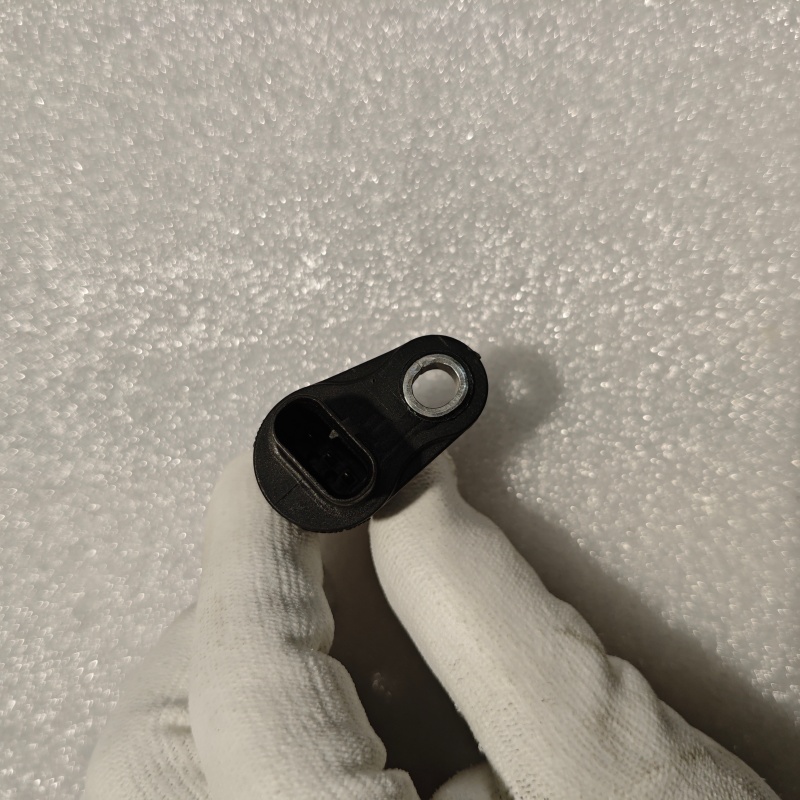
The Warm Air Box Intake Has A Pinion not for decorative purposes but to serve a critical mechanical function. This pinion is typically part of a larger mechanism that operates a flap or valve inside the intake air box. This valve is responsible for managing the source of the incoming air. Depending on engine temperature and load conditions, the valve switches between drawing warmer air from near the exhaust manifold (for optimal fuel vaporization during cold starts) and cooler, denser air from the outside (for maximum power during open-throttle operation). The pinion gear engages with a servo motor or a vacuum-operated actuator, providing the precise rotational control needed to position this air source selector valve accurately.
For owners and restorers, understanding this design is vital. A malfunctioning pinion mechanism—whether due to wear, stripping, or seizing—can cause the intake air valve to stick. This may result in the engine being perpetually fed only warm or only cold air, leading to symptoms like poor cold-weather drivability, reduced fuel efficiency, or a noticeable lack of power. When servicing or replacing a warm air intake assembly, inspecting the pinion gear for smooth operation and integrity is a crucial step. Ensuring this component functions correctly guarantees that the intake system adapts dynamically to engine demands, protecting engine performance and efficiency as originally engineered.