Brake Vacuum Pump Pressure Sensor is a critical electronic component within modern vehicle braking systems, particularly in those equipped with gasoline turbocharged engines, diesel engines, or hybrid/electric powertrains. These systems often lack sufficient natural engine vacuum to operate the brake booster effectively. The vacuum pump generates the necessary vacuum, and this sensor is responsible for precisely monitoring the pressure level within the vacuum circuit.
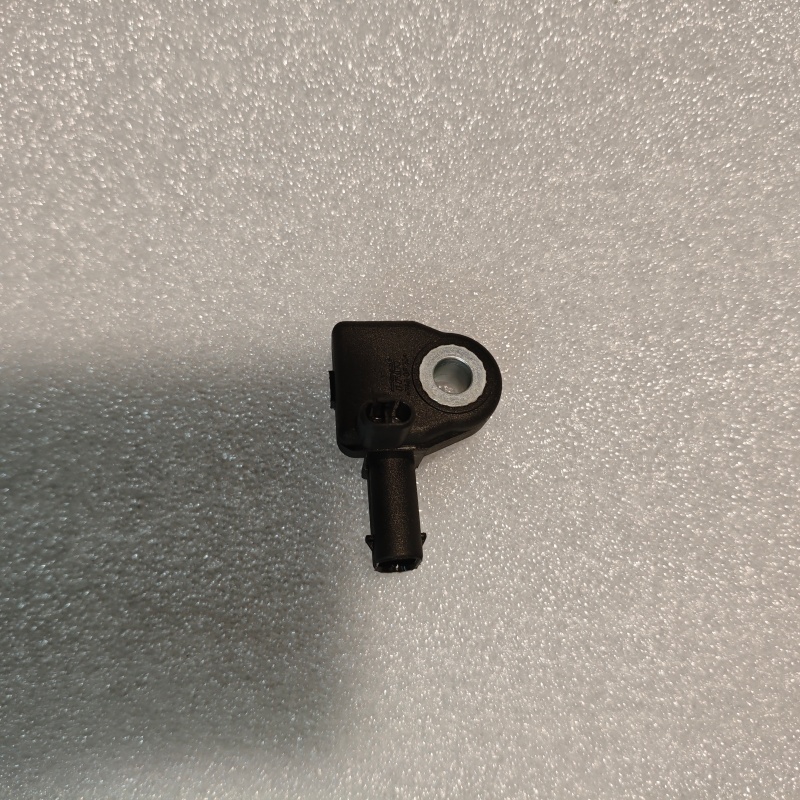
By continuously measuring the pressure, the sensor provides real-time data to the vehicle’s Engine Control Module (ECM) or a dedicated brake control unit. This information is vital for ensuring the brake booster has optimal vacuum assistance, which translates directly to correct pedal feel and braking responsiveness. If the sensor detects insufficient vacuum pressure, it alerts the control system, which can then activate the vacuum pump more frequently or intensively to maintain safety specifications. Conversely, it can also prevent pump overwork by signaling when target pressure is achieved.
A faulty sensor can lead to several noticeable issues. These include an unusually hard brake pedal, increased stopping distances, illuminated warning lights on the dashboard (such as the check engine light), and potentially reduced efficiency of the entire braking assist system. In some vehicle models, it may also trigger secondary symptoms like poor idle or performance quirks due to its input into the overall engine management strategy.
When replacement is necessary, it is imperative to use a high-quality, vehicle-specific brake vacuum pump pressure sensor. Ensuring a proper seal during installation and clearing any associated diagnostic trouble codes after replacement are crucial steps for restoring the braking system to its intended performance and safety levels. This component, while small, plays an indispensable role in the functionality and reliability of power-assisted braking.