The thrust bearing is a critical component within a vehicle’s engine, designed to manage axial loads and prevent crankshaft movement along its axis. However, its performance and longevity are fundamentally dependent on the component installed directly Under The Thrust Bearing. This foundational part, often the thrust washer or the machined surface of the engine block, plays an indispensable role in the entire assembly’s functionality.
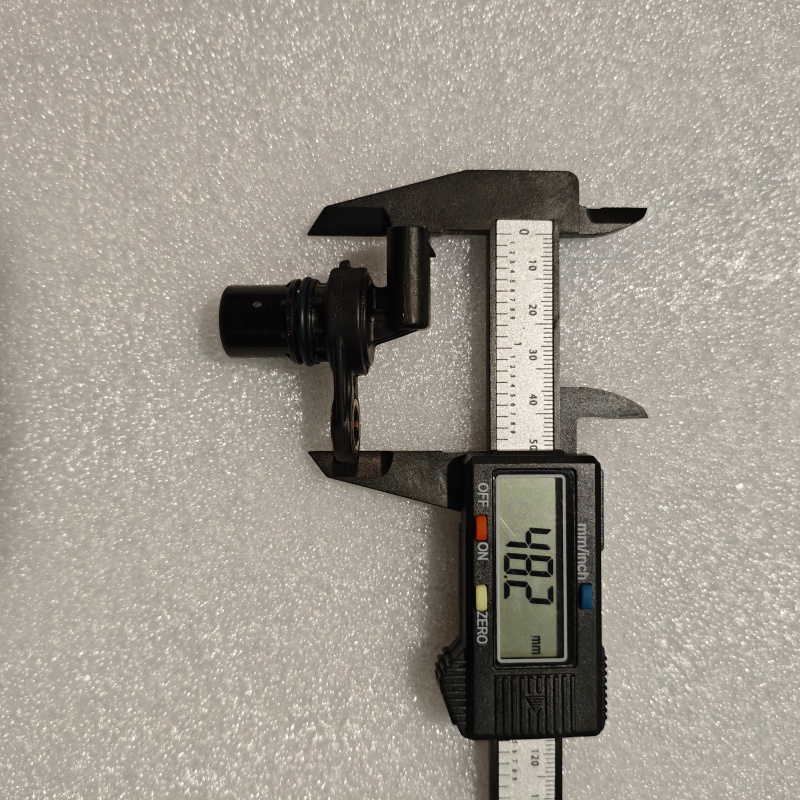
Positioned between the bearing itself and the engine structure, this component serves as the precise load-bearing interface. It must provide an exceptionally smooth, durable, and dimensionally stable surface to accommodate the rotational forces and axial pressures transmitted from the crankshaft. The material and precision of the part Under The Thrust Bearing are paramount. High-quality alloys, often with specialized coatings, are used to ensure minimal friction, resist wear, and effectively dissipate heat generated during operation. Any imperfection, wear, or misalignment in this underlying part can lead to rapid failure of the thrust bearing above it, resulting in excessive crankshaft end-play, knocking noises, and severe engine damage.
For automotive engineers and technicians, understanding this relationship is key. When replacing a thrust bearing, a meticulous inspection of the surface Under The Thrust Bearing is mandatory. Ensuring its flawless condition guarantees correct bearing seating, optimal oil clearance, and the reliable transfer of axial loads. Therefore, in the ecosystem of engine components, while the thrust bearing receives primary attention, the part underneath it is the unsung hero that enables smooth and reliable engine performance, safeguarding the heart of the vehicle from catastrophic failure.