Front Differential Shaft
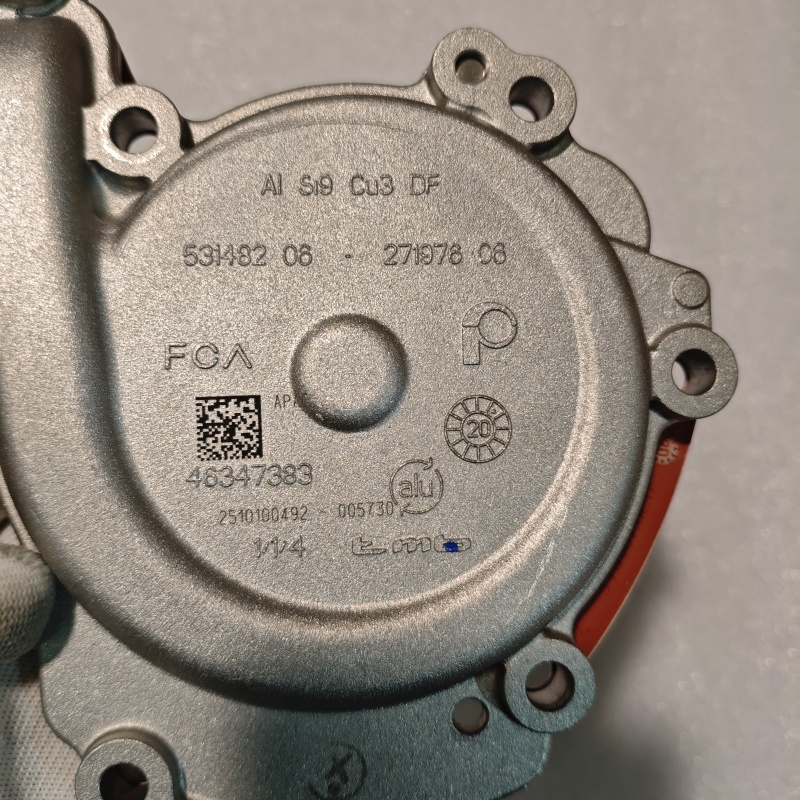
In the intricate network of a vehicle’s drivetrain, the Front Differential Shaft plays a pivotal role in delivering power and enabling smooth operation, particularly in front-wheel drive and all-wheel drive configurations. This crucial component is essentially the main axle that transmits rotational force from the front differential directly to the front wheels. It serves as the final link in the chain of components that begins with the engine and transmission, ensuring that the power generated is effectively converted into forward motion.
The primary function of the Front Differential Shaft is to allow the wheels to rotate at different speeds, especially when cornering. The inner wheel travels a shorter distance than the outer wheel during a turn, and this shaft, working in conjunction with the differential, accommodates this variance. This prevents tire scrubbing, reduces drivetrain stress, and ensures stable handling. Typically constructed from high-strength steel alloys, it is engineered to withstand significant torque loads and constant rotational stress while remaining relatively lightweight. Its design often includes precision-machined splines on each end to securely connect to the differential and the wheel hub assembly.
A compromised Front Differential Shaft can lead to a range of vehicle issues. Symptoms of failure often include loud clicking or clunking noises during turns, noticeable vibration felt through the floorboard or steering wheel, and in severe cases, a complete loss of power to the front wheels. Regular inspection for damage such as worn CV joints, cracked boots, or bending is essential for maintenance. For any vehicle requiring precise power transfer and reliable front-wheel traction, ensuring the integrity of this shaft is paramount for both performance and safety on the road.