This article details the purpose and importance of the Screws On The Front Ingot Beam/Vehicle. Often overlooked, these fasteners are critical structural components, securing the front ingot beam—also commonly known as the front crossmember or radiator support—to the vehicle’s main frame or unibody structure. This assembly forms a foundational part of the front-end chassis, providing essential mounting points for the radiator, headlights, grille, and other front-end components.
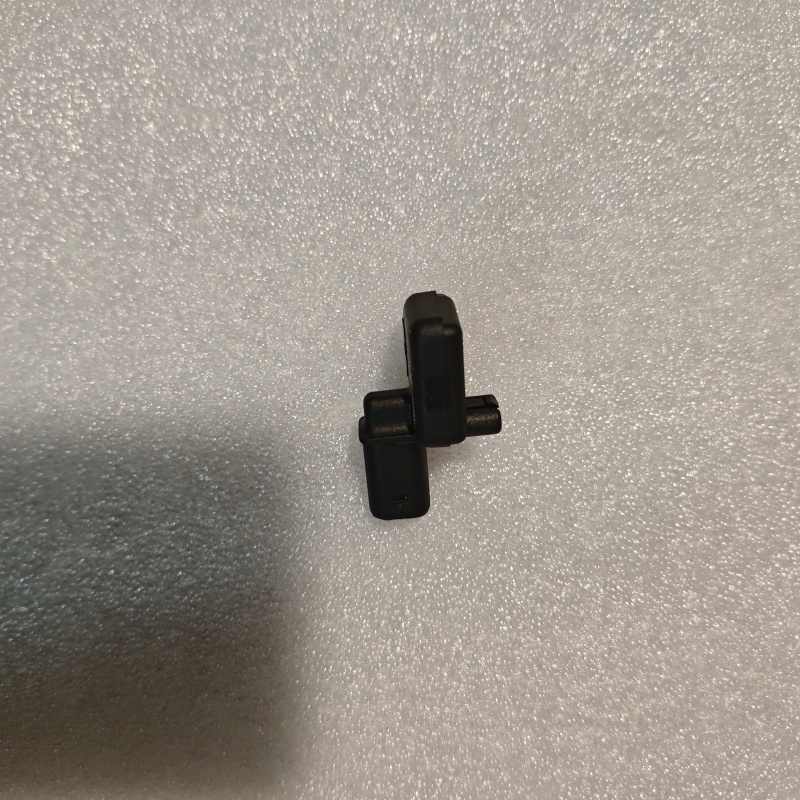
The integrity of these screws is paramount for vehicle safety and alignment. Properly torqued and secured Screws On The Front Ingot Beam/Vehicle ensure the crossmember remains rigid and correctly positioned. This directly affects front-end geometry, influencing wheel alignment parameters such as caster and camber. Loose, damaged, or corroded screws can lead to misalignment, causing uneven tire wear and poor vehicle handling. In the event of a minor frontal impact, a securely fastened beam helps absorb and distribute energy, preventing excessive damage to more costly components like the radiator or condenser.
Over time, these screws can succumb to rust, fatigue, or may become damaged during repair work. Using incorrect, substandard, or worn fasteners compromises the entire assembly’s strength. When replacing these parts, it is crucial to select OEM-equivalent screws that meet the original manufacturer’s specifications for grade, tensile strength, and corrosion resistance. Proper installation following factory-recommended torque sequences and specifications is equally important to maintain structural integrity and ensure the long-term stability and safety of your vehicle’s front-end construction.