Metal Surface Treatment is a critical industrial process designed to enhance the performance, durability, and aesthetic appeal of metal components. In the automotive industry, where parts are subjected to extreme stress, corrosion, and varying environmental conditions, these treatments are indispensable. They fundamentally alter the surface properties of a metal without changing its bulk characteristics, providing a cost-effective solution to improve part longevity and reliability.
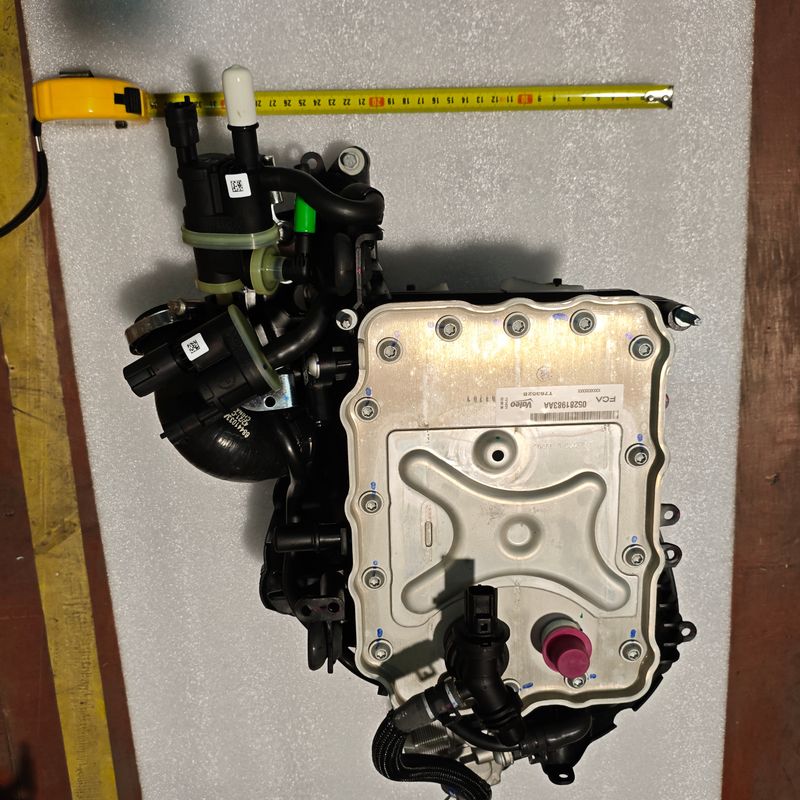
Common techniques include electroplating, such as zinc or chromium plating, which provides a sacrificial layer to prevent rust. Phosphate and chromate conversion coatings create a stable, non-metallic layer that improves corrosion resistance and promotes paint adhesion. Anodizing, primarily for aluminum, builds a hard, decorative, and protective oxide layer. More advanced methods like powder coating and e-coating deliver robust, uniform, and visually superior finishes in a wide range of colors. Each process is selected based on the base metal, the part’s function, and its exposure to specific operational hazards.
For automotive parts, from engine components and brake calipers to brackets and exterior trim, effective surface treatment ensures resistance to abrasion, chemicals, and UV degradation. It reduces maintenance needs and prevents premature failure, directly contributing to vehicle safety and performance. By specifying precisely treated components, manufacturers and consumers alike benefit from enhanced quality, extended product lifecycles, and improved overall value, making it a foundational aspect of modern automotive engineering and part specification.