Behind The Differential Assembly lies a component crucial to vehicle dynamics yet often overlooked: the differential carrier or case. This robust housing is the foundational structure that contains and protects the entire differential gear set, including the ring gear, pinion gear, and spider gears. Its primary role is to provide precise alignment and unwavering support for these internal components, ensuring they mesh correctly under tremendous torque and varying load conditions.
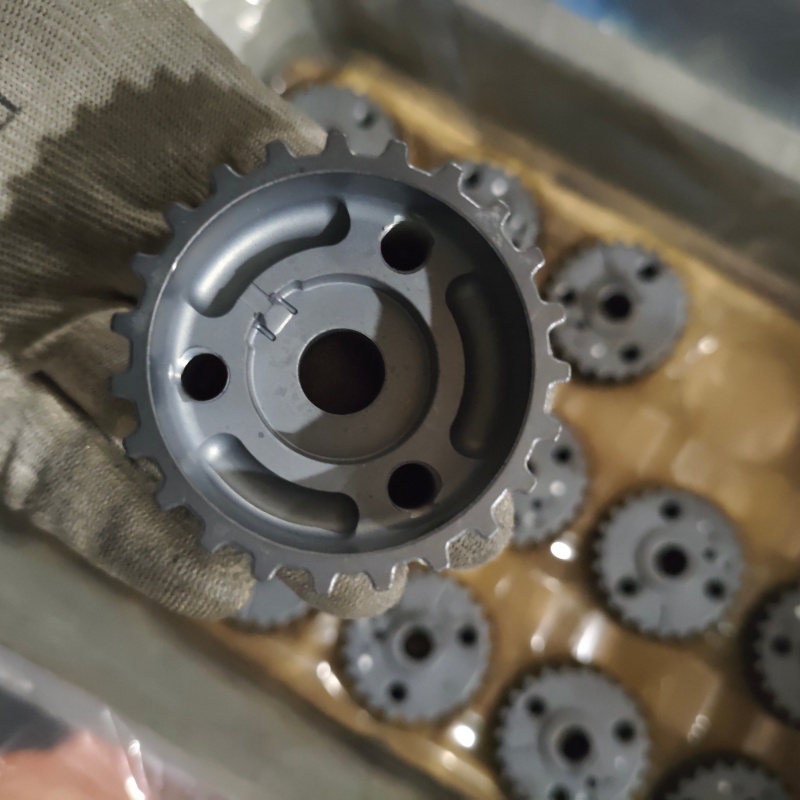
Constructed from high-strength cast iron or aluminum alloys, the assembly is engineered to withstand extreme stress and heat generated during operation. It serves as the central mounting point for the differential, attaching securely to the vehicle’s axle housing or subframe. Furthermore, it acts as the reservoir for the vital differential lubricant, which cools and protects the gears from premature wear. Any compromise in the integrity of this assembly—such as cracks, warping, or bearing bore wear—can lead to misalignment, improper gear contact, fluid leaks, and ultimately, catastrophic differential failure.
Therefore, when considering differential repair or performance upgrades, attention must be paid to the condition of the carrier itself. A precision-machined and durable differential assembly is not merely a container; it is the critical backbone that guarantees the smooth transfer of power from the driveshaft to the axles, enabling seamless cornering and consistent traction. Understanding what goes on behind this component is key to appreciating the complexity and resilience of a vehicle’s drivetrain system.