In modern engine design, the Large Chain On The Timing Tensioner represents a critical advancement in durability and precision. This system replaces traditional rubber belts with a robust, metal-linked chain, engineered to synchronize the rotation of the crankshaft and camshaft with absolute accuracy. This synchronization is fundamental, ensuring that engine valves open and close in perfect timing with the pistons for optimal combustion, power output, and fuel efficiency.
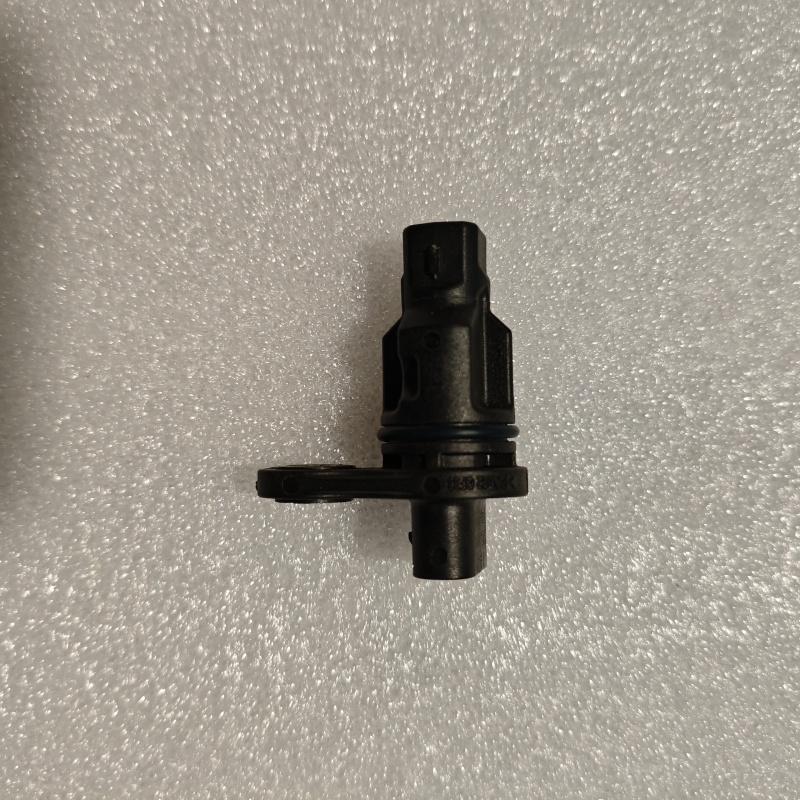
The primary role of the large chain itself is to provide a strong, reliable link between these core components. Its construction from high-grade steel offers exceptional resistance to stretching, wear, and the harsh conditions within the engine bay. Unlike timing belts, which require scheduled replacement, a well-maintained timing chain is designed to last the lifetime of the engine in many vehicle models. This translates to reduced long-term maintenance costs and increased reliability for vehicle owners.
However, the chain’s longevity and quiet operation are heavily dependent on the timing tensioner. This component is a hydraulic or mechanical device that applies consistent, precise pressure to the chain. It automatically adjusts to take up slack caused by natural wear and thermal expansion, preventing the chain from whipping, jumping teeth, or developing excessive noise. A failing tensioner can lead to catastrophic timing failure, resulting in severe engine damage. Therefore, when servicing the timing system, the integrity of both the large chain and its tensioner must be professionally evaluated as an interconnected unit. For optimal performance and engine protection, always ensure these components meet or exceed original equipment specifications.