The Side Of The Transmission Oil Seal is a critical, yet often overlooked, component in a vehicle’s drivetrain system. While the primary sealing lip faces the transmission fluid, the side of the seal—its outer cylindrical surface—is engineered for a completely different but equally vital function. This side is designed for a precise, static fit within the transmission housing or axle bore.
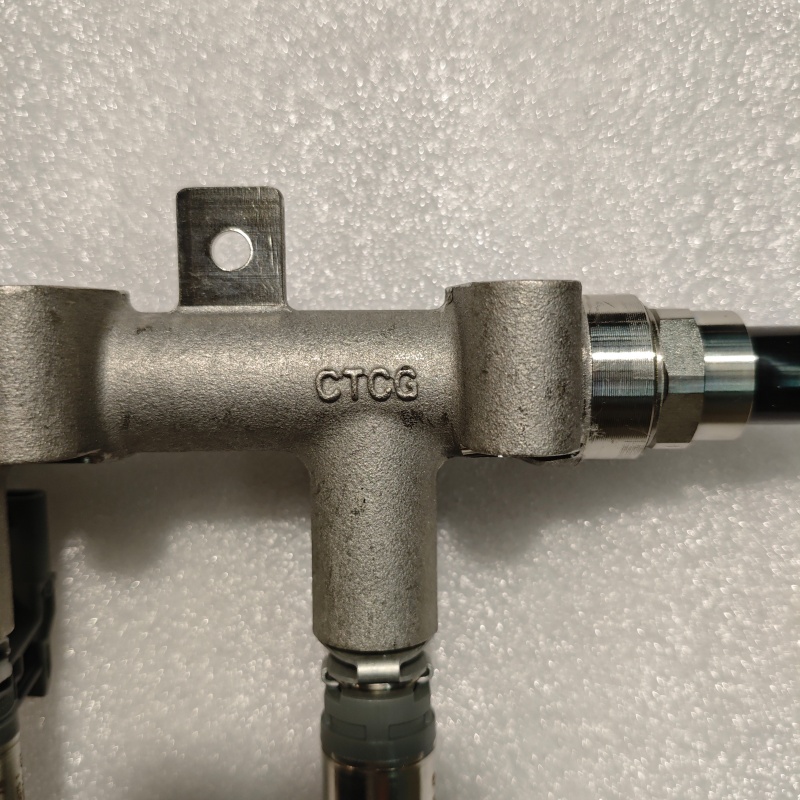
The performance and longevity of the entire seal depend heavily on this side interface. It must create a perfect, leak-proof bond with the housing to prevent fluid from escaping around the seal’s exterior. Manufacturers achieve this through specific design features on the side of the transmission oil seal. These often include a robust rubber coating or a specialized polymer layer that compresses slightly during installation. This compression ensures a tight, secure fit that resists movement from vibration and thermal cycling. Some designs incorporate outer metal casings for added rigidity in high-pressure applications.
Furthermore, the side surface may feature anti-rotation ribs or knurling. These elements lock the seal firmly in place, preventing it from spinning within the bore, which would compromise the seal and damage the housing. Proper installation is paramount; the housing bore must be clean, smooth, and free of scratches to allow the side of the seal to seat correctly. Any imperfection can create a leakage path, leading to low fluid levels, transmission damage, and costly repairs. Therefore, when selecting a replacement, ensuring the side dimensions and material are an exact match for the housing specification is as crucial as the inner diameter.