A common point of inquiry and occasional concern among automotive DIY enthusiasts and professional mechanics alike is the straightforward packaging of certain replacement components. The water pump is not padded in its box, and this is a deliberate design and logistical choice, not an oversight. Understanding the reasoning behind this can assure customers of the product’s integrity upon arrival.
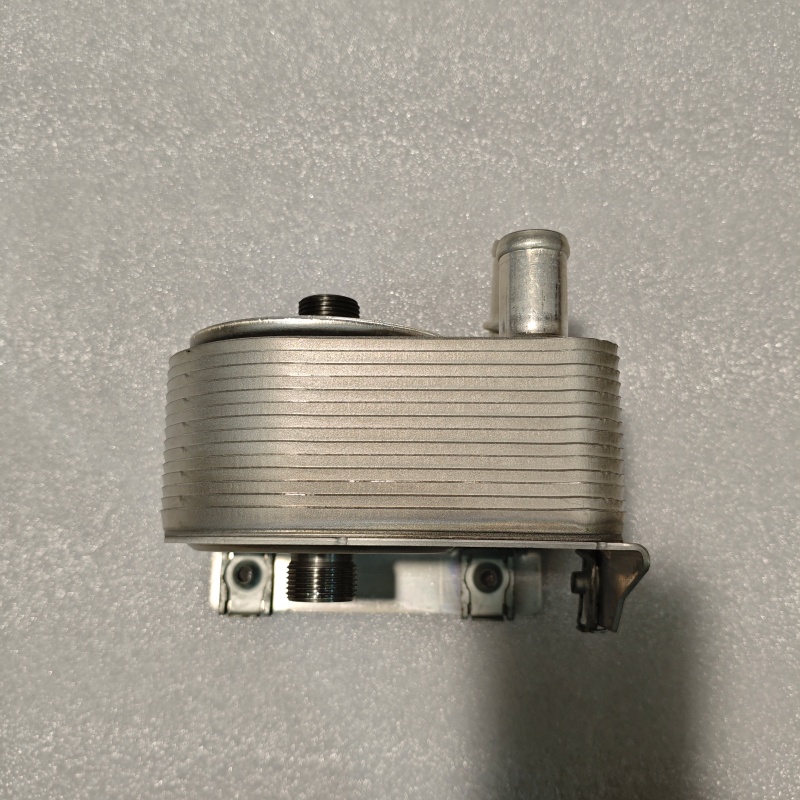
Modern water pumps are engineered as robust, single-unit assemblies constructed from durable metals such as cast aluminum or iron. The primary components—the housing, impeller, and pulley hub—are designed to withstand significant operational stress, heat, and pressure within the engine’s cooling system. Consequently, these units are inherently sturdy. Manufacturers utilize high-strength cardboard packaging with precisely molded inserts that securely cradle the pump, immobilizing it during transit. This method effectively prevents shifting, impacts, and scratches without the need for loose fill materials like foam peanuts or bubble wrap.
The absence of traditional padding aligns with several practical objectives. It minimizes packaging waste, reduces overall shipping weight and volume for cost and environmental efficiency, and simplifies the unboxing process. Loose padding can obscure small, included items like gaskets or bolts, which are instead typically secured in separate, attached plastic compartments within the same fitted insert.
Therefore, when your water pump arrives in its seemingly simple box, rest assured that the packaging is specifically engineered for that component. The secure fitment within a rigid cardboard structure provides all the protection necessary for a part built to endure far greater forces inside your vehicle’s engine.