The Evaporator Shell Drain Pipe is a critical, yet often overlooked, component within your vehicle’s heating, ventilation, and air conditioning (HVAC) system. Its primary function is to efficiently channel condensation, a natural byproduct of the cooling process, away from the evaporator core housing and safely out from under the vehicle.
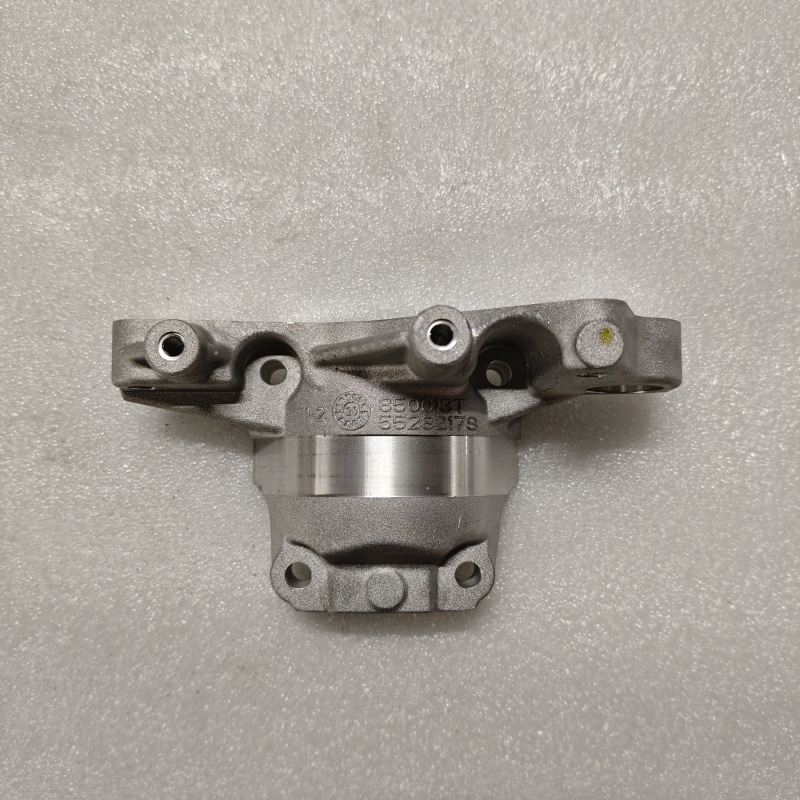
During operation, the evaporator core cools and dehumidifies incoming air. This process causes moisture in the air to condense on the cold surfaces of the evaporator, much like water droplets form on a cold glass. Without a proper drainage path, this water would accumulate inside the evaporator shell, leading to a host of problems. A functioning drain pipe prevents water buildup that can cause musty odors, mold growth inside the HVAC case, and potential water damage to interior components or electrical systems. In severe cases, a clogged or damaged pipe can even lead to water leaking onto the passenger floor.
Typically made from durable rubber or plastic, the evaporator shell drain pipe is designed to withstand temperature extremes and exposure to elements. It is usually a simple, straightforward tube connected to a port on the bottom of the evaporator housing, routing the water down through the vehicle’s firewall or floorpan. Over time, this pipe can become brittle, cracked, or disconnected. It is also susceptible to clogging from dirt, leaves, or other debris, which blocks the essential drainage flow.
Regular inspection of this component is advised, especially if you notice damp carpets or a persistent mildew smell when using the air conditioning. Ensuring the evaporator shell drain pipe is clear and intact is a simple but vital aspect of maintaining a clean, efficient, and fully functional automotive climate control system.