The efficient operation of a modern vehicle’s braking system relies on a consistent and reliable source of vacuum assistance. This vacuum is primarily generated by the brake vacuum pump, a critical component in both diesel engines and modern gasoline engines with turbocharging or advanced variable valve timing. At the heart of ensuring this pump’s longevity and optimal performance is a precisely engineered component: the Brake Vacuum Pump Exhaust Valve.
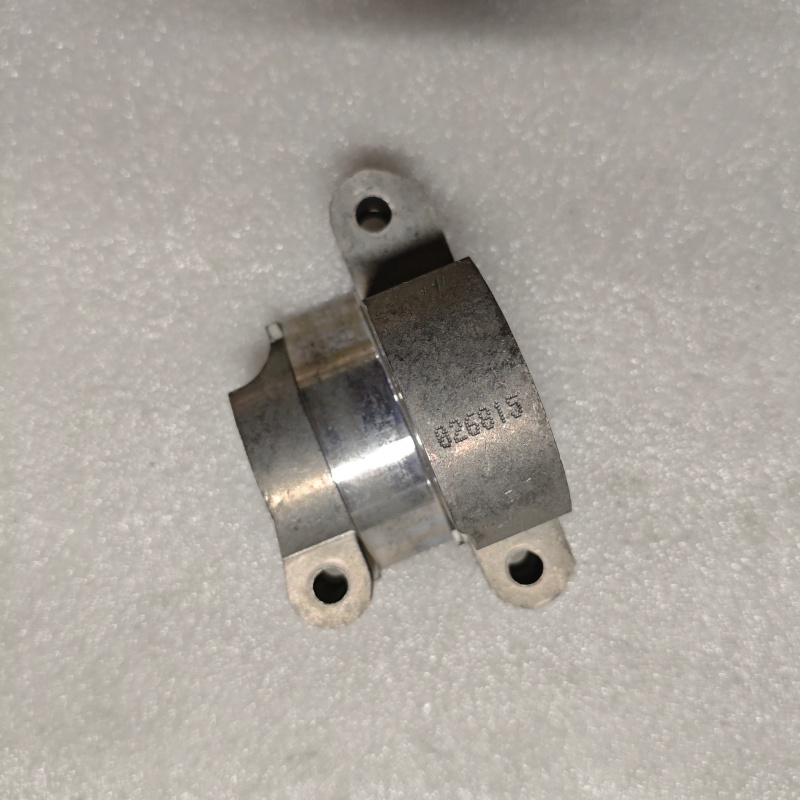
This valve serves as a crucial control mechanism within the vacuum pump assembly. Its primary function is to regulate the discharge of air and oil vapors expelled during the pump’s operation. By managing this exhaust flow, the valve prevents the backflow of contaminants and maintains the necessary internal pressure differential for efficient vacuum generation. A properly functioning exhaust valve ensures the pump can quickly and consistently achieve the required vacuum level for the brake booster, leading to firm and responsive brake pedal feel.
Failure of this valve can lead to several performance issues. A stuck or leaking exhaust valve may result in reduced vacuum output, causing a hard brake pedal and increased stopping distances. It can also allow excessive oil carry-over into the vacuum system, potentially damaging the brake booster or associated sensors. Therefore, the integrity of the Brake Vacuum Pump Exhaust Valve is directly linked to both braking safety and the overall health of the engine’s ancillary systems.
When replacing a brake vacuum pump or addressing related vacuum loss, inspecting and renewing the exhaust valve is considered essential preventative maintenance. Utilizing a high-quality, vehicle-specific valve ensures proper seal, correct pressure regulation, and protects the investment in the entire braking system. It is a small component that plays an indispensable role in driver safety and vehicle reliability.