Fuse Box Relay Five Pins
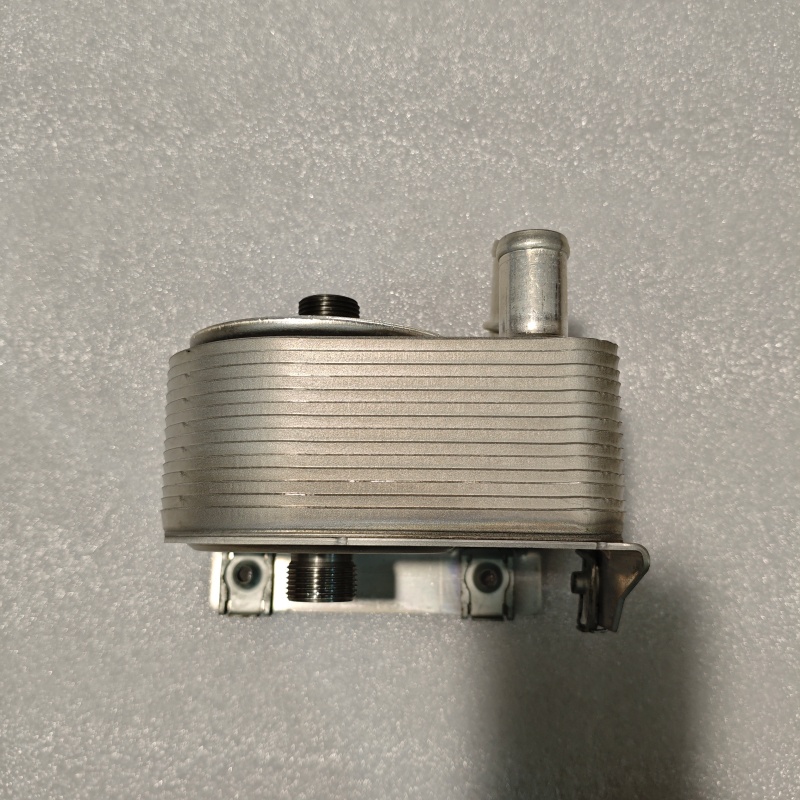
In modern automotive electrical systems, the fuse box relay five pins is a critical component for managing higher-current circuits safely and efficiently. Unlike standard four-pin relays, this type features an additional pin, enabling more complex switching functions essential for various vehicle operations.
The core purpose of this relay is to act as a remote-controlled switch. A low-current signal from a switch or electronic control unit (ECU) activates the relay’s electromagnet. This, in turn, closes or opens internal contacts to power a high-current device, protecting delicate switches from damage. The five-pin design specifically indicates a single-pole, double-throw (SPDT) configuration. It features three main load terminals: two are connected to the common terminal (87) and the normally closed terminal (87a), while the third is the normally open terminal (87). The remaining two pins are for the coil (85 and 86), which controls the switching action.
This configuration allows the relay to perform two key functions. When de-energized, it can maintain one circuit closed (via pin 87a) and another open. Upon activation, it simultaneously breaks the first circuit and completes the second (via pin 87). Common automotive applications include fuel pumps, cooling fans, and certain lighting systems where a default state or dual-circuit control is necessary.
When sourcing a replacement, precise identification is crucial. Match the pin layout, coil voltage (typically 12V), and the current rating for both the coil and the switched contacts. Using an incorrect relay can lead to electrical failure or safety hazards. This five-pin relay is a fundamental building block, ensuring reliable power distribution and enhanced functionality within your vehicle’s fuse box network.