The Exhaust Gas Circulation Bypass Valve is a critical component within a modern vehicle’s emission control system, specifically designed to enhance the efficiency and flexibility of the Exhaust Gas Recirculation (EGR) system. Its primary function is to provide a controlled pathway to bypass exhaust gases around the EGR valve under specific engine operating conditions.
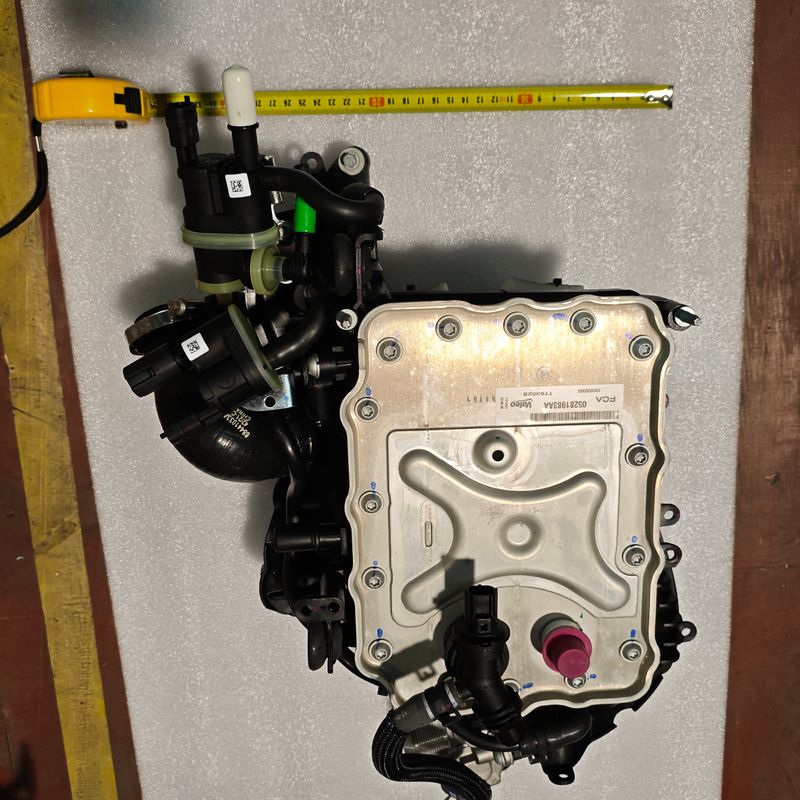
While the main EGR valve regulates the flow of cooled exhaust gases back into the engine’s intake manifold to reduce nitrogen oxide (NOx) emissions, there are scenarios where EGR flow is undesirable. During wide-open throttle, rapid acceleration, or when the engine is cold, maximum engine power and stable combustion are priorities. In these instances, the EGR bypass valve opens, diverting exhaust gas away from the EGR circuit. This action ensures the engine receives a full charge of fresh air, optimizing combustion, improving throttle response, and preventing potential drivability issues like hesitation or rough idling.
Typically controlled by the engine’s electronic control unit (ECU), this valve operates based on data from various sensors. Its precise operation is essential for maintaining a balance between stringent emission standards and expected engine performance. A malfunctioning Exhaust Gas Circulation Bypass Valve can lead to increased emissions, reduced fuel efficiency, and noticeable performance deficits.
For vehicle owners and technicians, understanding this component is key to diagnosing EGR-related concerns. Ensuring the Exhaust Gas Circulation Bypass Valve is functioning correctly is crucial for keeping the engine running cleanly, efficiently, and powerfully across its entire operating range.