When inspecting or replacing suspension and structural components, a critical observation is often noted in service manuals or part descriptions: "The Right Rear Half Is Thickened". This specific designation is far more than a simple physical measurement; it is a fundamental engineering specification crucial for vehicle safety, performance, and longevity. This thickening is a deliberate design feature implemented by manufacturers to address the asymmetric stresses encountered by a vehicle’s chassis or subframe.
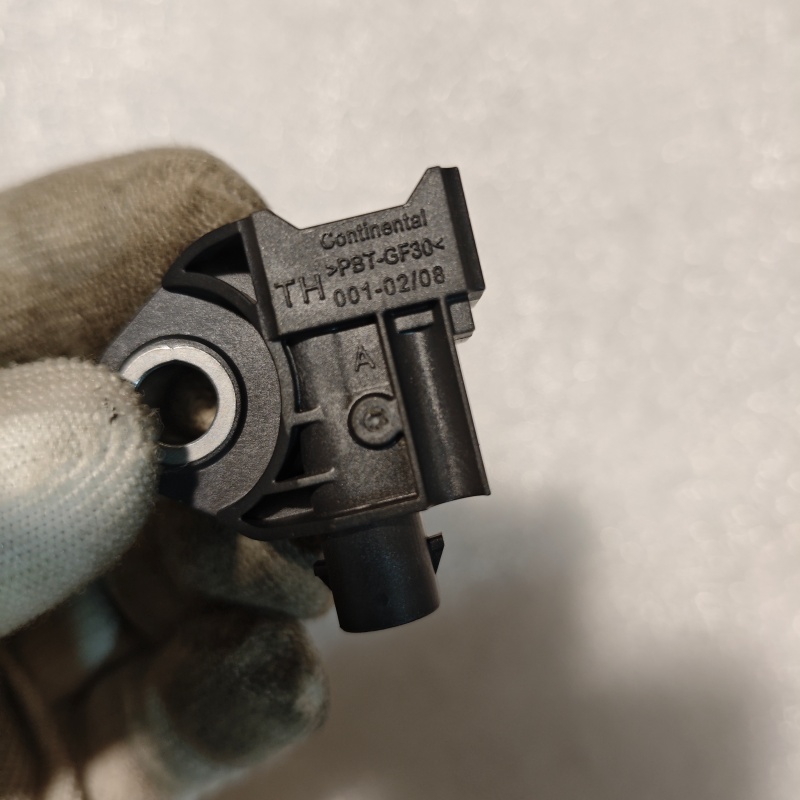
The rationale behind this reinforcement is rooted in real-world driving dynamics. In many vehicles, particularly those with transverse-mounted engines, the powertrain’s weight distribution is not perfectly symmetrical. Additionally, common road crown and the consistent torque forces from the drivetrain can place a disproportionate load on one side of the vehicle over its lifetime. Typically, it is the right rear section that experiences these cumulative stresses. To counteract potential metal fatigue, cracking, or premature wear in suspension mounting points, automakers reinforce this area during production. The thickened section provides enhanced rigidity and durability exactly where it is most needed.
For automotive parts professionals and consumers, this phrase is a key identifier. It signifies that the component, such as a rear subframe or a control arm mounting bracket, is an exact OEM-specification replacement. Installing a part that lacks this specific thickening where required can compromise the vehicle’s structural integrity, leading to handling issues, unusual tire wear, or even component failure. Therefore, recognizing and verifying that "The Right Rear Half Is Thickened" ensures the correct, safety-critical part is selected, maintaining the vehicle’s designed handling characteristics and protective strength for years to come.