Gear Lever Shift Mechanism
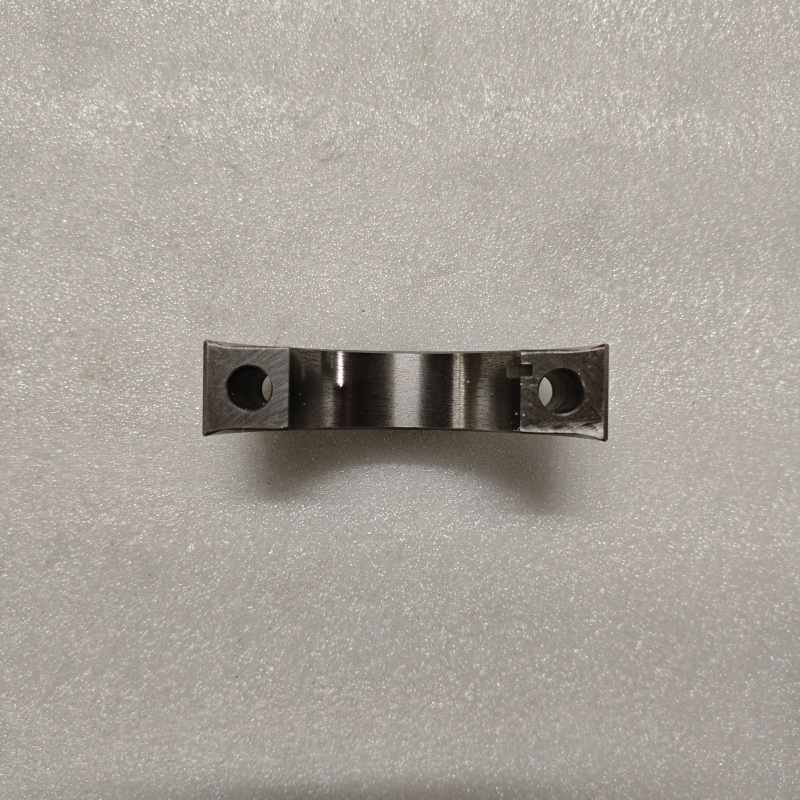
The gear lever shift mechanism is a fundamental interface between the driver and a vehicle’s transmission system. Its primary function is to enable the precise and reliable selection of gears, facilitating smooth power transfer from the engine to the wheels. While the driver interacts with the visible gear knob and lever, the mechanism itself is a sophisticated assembly of components working in unison beneath the console.
A typical manual Gear Lever Shift Mechanism consists of the lever, linkage cables or rods, selector forks, and associated bushings and pivot points. When the driver moves the lever, this motion is transmitted through the linkages to the transmission, guiding the internal selector forks to engage the desired gear ratio. The quality of this mechanism is paramount, directly influencing the driving experience through tactile shift feel, precision, and reduced vibration or "play." In automatic transmissions, the mechanism often interfaces with the transmission’s valve body or electronic sensors to select driving modes like Park, Reverse, Neutral, and Drive.
For automotive enthusiasts and repair professionals, a high-quality shift mechanism is crucial for maintaining vehicle performance and driver control. Over time, components such as bushings and linkages can wear, leading to imprecise shifts or difficulty in gear engagement. Upgrading or replacing the shift mechanism with a precision-engineered part restores crisp, confident shifting, minimizes power loss through the drivetrain, and enhances overall driving engagement. It represents a critical investment in preserving the tactile connection and mechanical integrity of any vehicle’s operation.