In the realm of automotive drivetrain components, the Half Shaft Intermediate Shaft Fwd plays a critical and often understated role in ensuring power delivery and vehicle stability. Specifically designed for Front-Wheel-Drive (FWD) vehicle configurations, this component is the essential link between the transaxle and the front wheel hub assemblies. Its primary function is to transmit torque from the vehicle’s transmission to the drive wheels, enabling motion while accommodating the up-and-down movement of the suspension and the steering angles of the front wheels.
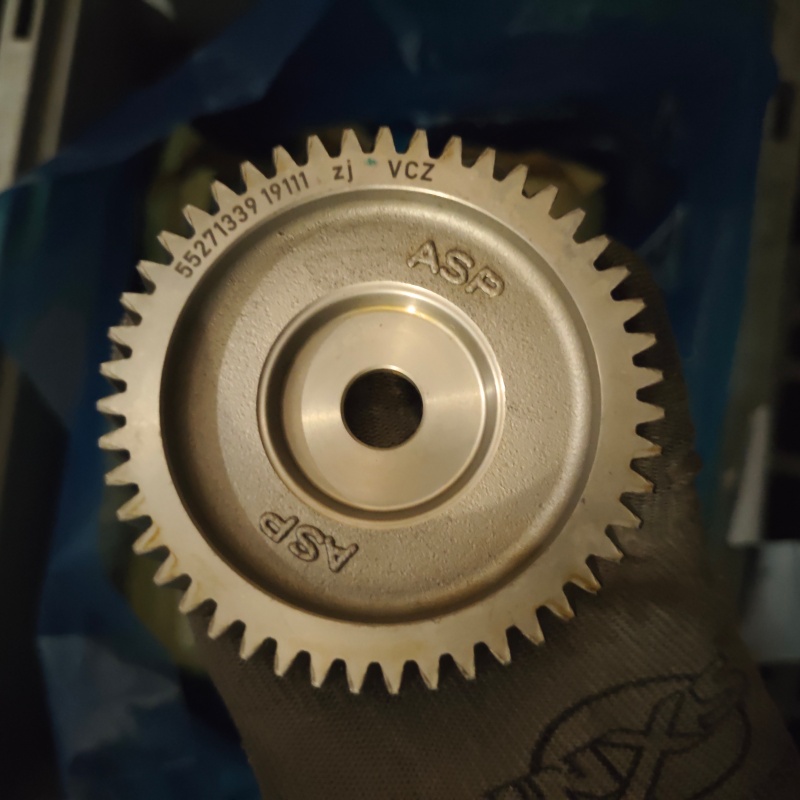
The construction of a high-quality half shaft intermediate shaft for FWD applications is engineered for durability and precision. It typically consists of a solid or tubular steel shaft fitted with Constant Velocity (CV) joints at both ends. These CV joints are crucial, as they allow for smooth power transfer at varying angles without a loss of rotational speed or increase in vibration. The intermediate shaft itself often incorporates a damper or balancing weight to minimize harmonics and NVH (Noise, Vibration, and Harshness), contributing to a quieter and more refined driving experience. Proper lubrication and robust boot seals are vital to protect the internal joints from contamination and wear.
When selecting a replacement, it is imperative to choose a component that meets or exceeds OEM specifications. A failing half shaft intermediate shaft fwd can manifest through symptoms such as clicking noises during turns, excessive vibration during acceleration, or grease leakage from damaged CV boots. Installing a premium, precisely engineered intermediate shaft ensures optimal power transmission, maintains correct wheel alignment geometry, and upholds the safety and performance integrity of the vehicle’s front-wheel-drive system. For vehicle owners and technicians, understanding this component’s function underscores its importance in routine maintenance and repair protocols.