Electronic Fan Belt Motor
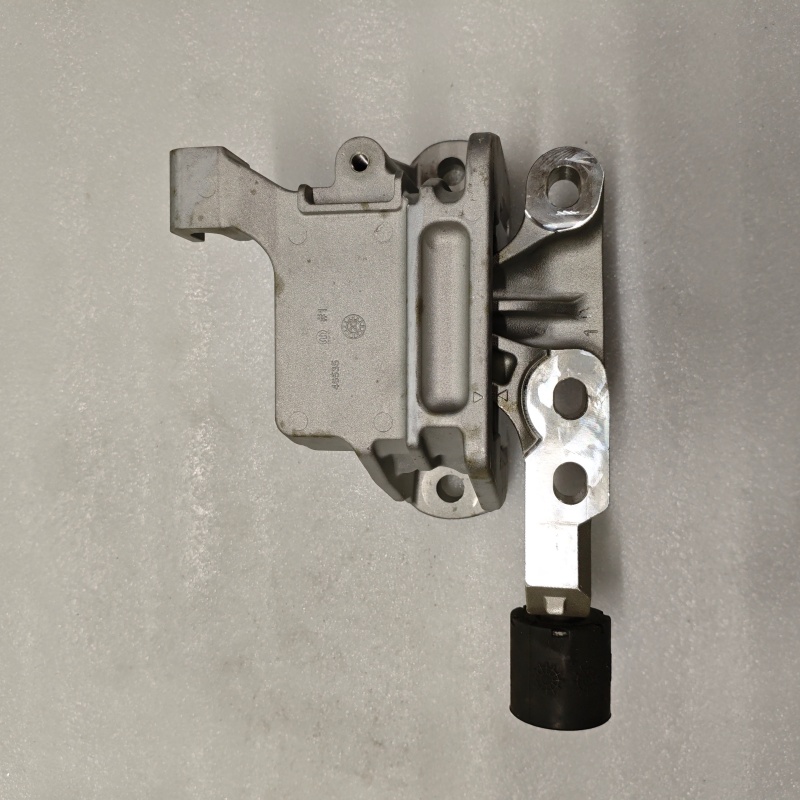
In modern vehicle engineering, the Electronic Fan Belt Motor represents a significant advancement in thermal management systems. Unlike traditional engine-driven fan belts that operate continuously based on crankshaft speed, this electronically controlled component provides precise and on-demand cooling. It is a key part of the engine’s cooling module, typically mounted behind the radiator.
The primary function of the Electronic Fan Belt Motor is to regulate engine temperature by activating an electric fan only when necessary. It receives signals from the engine control unit (ECU) based on data from coolant temperature sensors and, in many cases, air conditioning system demands. This intelligent operation ensures optimal engine temperature is maintained efficiently, reducing parasitic drag on the engine. The result is improved fuel economy, reduced emissions, and enhanced overall engine performance.
For automotive parts distributors and repair shops, this motor is a critical replacement component. Common signs of failure include engine overheating, especially in idle or slow traffic, and diagnostic trouble codes related to cooling fan circuits. When sourcing a replacement, compatibility with the vehicle’s make, model, and electrical system is paramount. High-quality units ensure reliable operation, correct airflow, and proper integration with the vehicle’s ECU.
This self-contained motor assembly eliminates the need for traditional pulleys and belts dedicated to the cooling fan, simplifying the front-end accessory drive system. Its reliability and efficiency make it a standard feature in today’s vehicles, underlining its importance in maintaining engine health and vehicle longevity.