In the intricate ecosystem of an internal combustion engine, the placement of the Air Filter In Front Of The Intake Pipe is a fundamental design principle critical to engine performance and longevity. This strategic positioning serves as the first and most crucial line of defense against contaminants. By being situated directly before the intake pipe, the filter ensures that every molecule of air drawn into the engine is thoroughly cleaned of harmful particulates like dust, pollen, and debris before it enters the intake system.
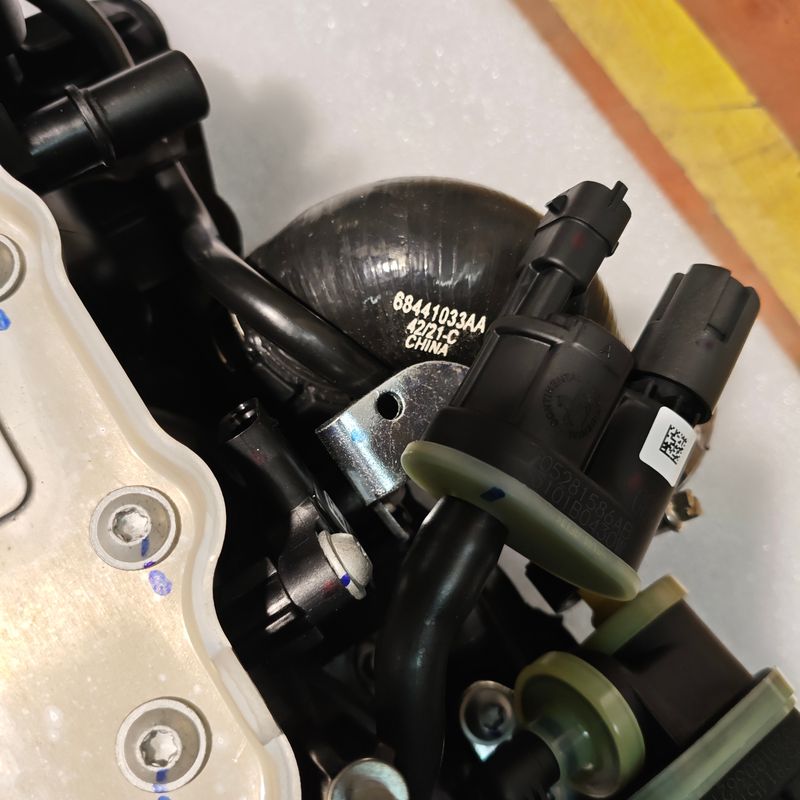
The primary function of this setup is protection. Unfiltered air can cause abrasive damage to sensitive internal components, including the mass airflow sensor, throttle body, and ultimately, the engine cylinders themselves. Over time, this contamination leads to increased wear, reduced efficiency, and potentially costly repairs. The air filter acts as a guardian, trapping these particles and allowing only clean air to mix with fuel for optimal combustion.
Furthermore, the location directly in front of the intake pipe is essential for maintaining proper airflow dynamics. A clean, correctly installed filter in this position minimizes restriction, allowing the engine to breathe easily. This promotes efficient combustion, which translates directly to consistent horsepower, better throttle response, and improved fuel economy. Conversely, a clogged or poorly positioned filter creates a bottleneck, forcing the engine to work harder and compromising its performance.
Regular inspection and replacement of the air filter are therefore vital maintenance tasks. For optimal engine health and performance, ensuring the integrity of the Air Filter In Front Of The Intake Pipe is non-negotiable. It is a simple yet profoundly effective component that safeguards your engine’s vitality, ensuring clean air intake for smoother operation, enhanced power delivery, and long-term reliability. Always consult your vehicle’s manual for the recommended service interval to maintain this critical protective barrier.