The fuel evaporator is a critical component within a modern vehicle’s evaporative emissions control (EVAP) system. Its primary function is to manage fuel vapors, preventing them from escaping into the atmosphere. These vapors are captured from the fuel tank and temporarily stored in the charcoal canister. During specific engine conditions, the system purges these vapors, drawing them into the engine to be burned efficiently. Behind The Fuel Evaporator lies a sophisticated network of components working in unison. This includes purge valves, vent valves, complex tubing, and sensors, all governed by the vehicle’s engine control module (ECU).
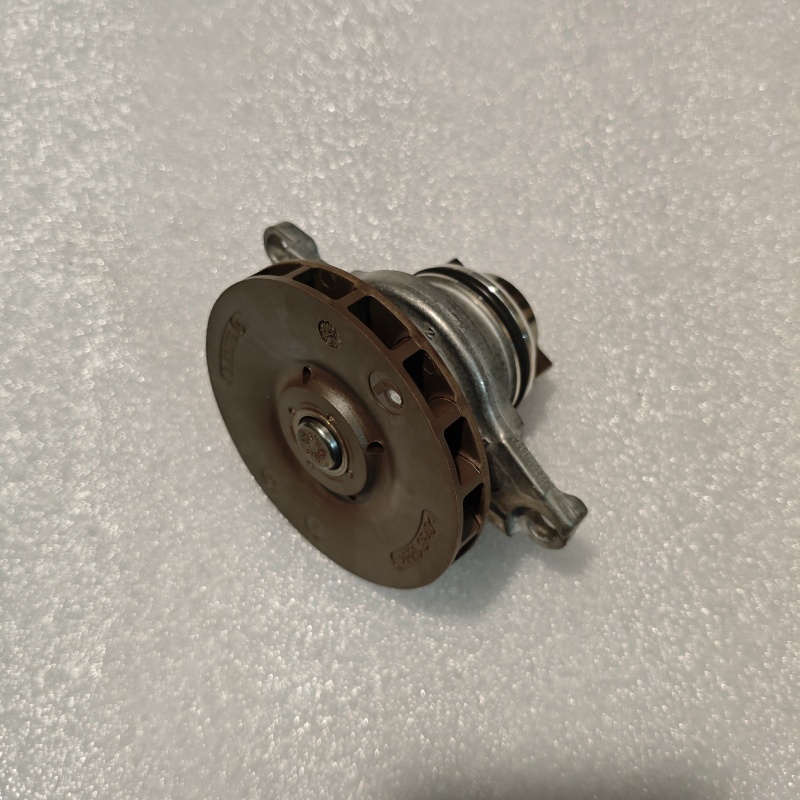
Understanding what operates behind this component is essential for diagnosing issues. A malfunction can lead to a range of problems, from a simple check engine light triggered by a loose gas cap to more serious concerns like rough idling, poor fuel economy, or failed emissions tests. Common culprits include clogged lines, a saturated charcoal canister, or faulty solenoid valves. When replacing a fuel evaporator or addressing EVAP system faults, technicians must inspect this entire supporting assembly. Ensuring the integrity of connections, the electrical operation of valves, and the absence of vacuum leaks is paramount.
For vehicle owners, recognizing the importance of this system underscores why regular maintenance is key. A properly functioning assembly behind the fuel evaporator ensures environmental compliance, optimal engine performance, and fuel efficiency. When sourcing a replacement fuel evaporator, it is crucial to select a high-quality part designed to integrate seamlessly with this intricate system, guaranteeing reliable performance and longevity.