A critical yet often overlooked component within a modern vehicle’s cooling system is the Seal Plate On The Radiator. This integral part serves as the foundational barrier between the radiator core and the transmission oil cooler, or in some designs, the integrated engine oil cooler. Its primary function is to maintain a perfect separation of fluids, ensuring that engine coolant and transmission fluid or engine oil do not intermix. A failure in this seal can lead to catastrophic cross-contamination, resulting in severe engine or transmission damage and costly repairs.
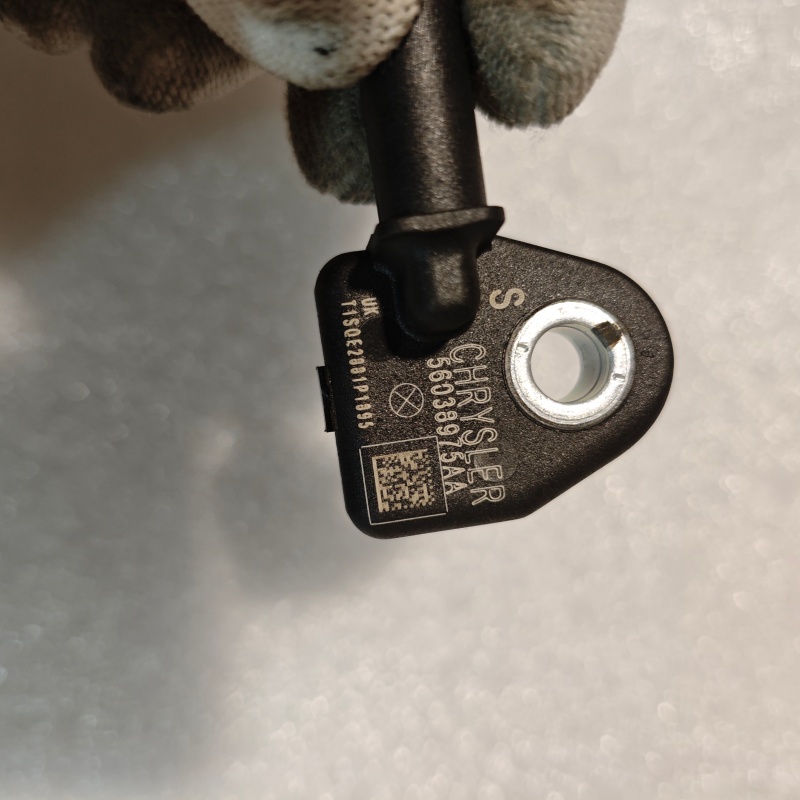
Constructed from durable materials such as aluminum or high-grade composite polymers, the seal plate is engineered to withstand constant exposure to high temperatures, varying pressures, and chemical corrosion from coolants and oils. It is precisely machined to create a flawless mating surface when assembled between the radiator tank and the cooler assembly. Over time, however, factors like thermal cycling, vibration, and inferior coolant can compromise the seal’s integrity, leading to leaks.
When replacing a radiator or addressing cooling system issues, inspecting the condition of the Seal Plate On The Radiator is paramount. Using an OEM-specification or high-quality aftermarket seal plate during installation is crucial for long-term reliability. A proper seal ensures optimal thermal management, protects vital engine and transmission components from fluid contamination, and preserves the overall efficiency and longevity of the vehicle’s cooling system. This component exemplifies how a small, simple part plays an indispensable role in automotive performance and durability.