After The Fuel Pipe Is Filled In, a critical phase of fuel system maintenance or installation begins. This procedure is not simply about completing a connection; it is the essential first step in ensuring the entire fuel delivery system operates with integrity, safety, and optimal performance. The actions taken immediately following this step are vital for the longevity of the component and the vehicle’s reliability.
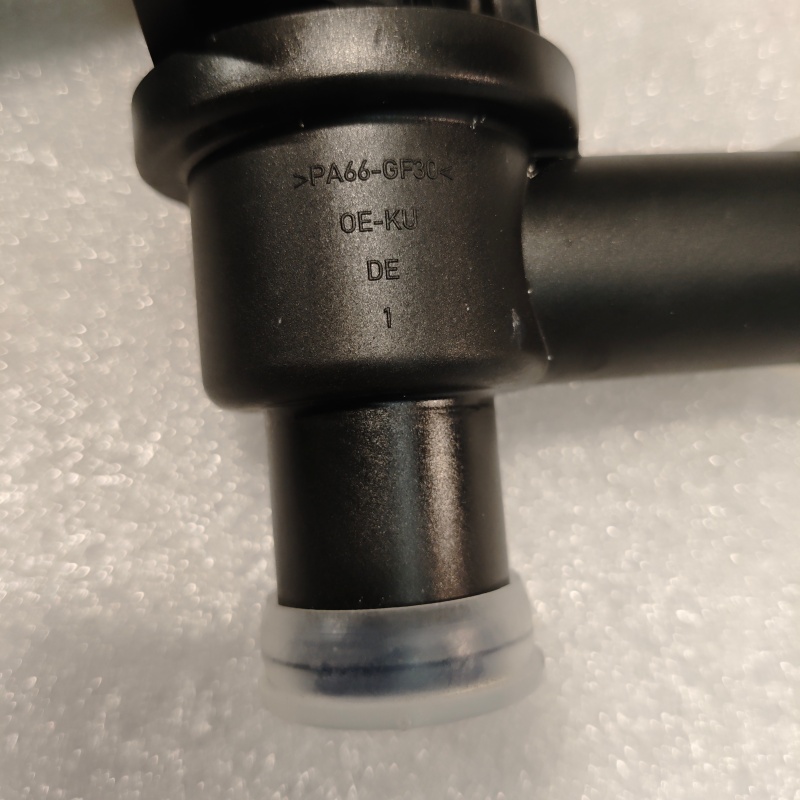
The foremost task is a meticulous leak check. Before starting the engine, visually inspect the entire length of the newly installed pipe and all connection points. Then, with the ignition in the "on" position to activate the fuel pump, re-examine these areas for any signs of seepage or drips. A leak-free installation is non-negotiable for safety and efficiency. Following this, it is crucial to cycle the ignition multiple times. This allows the fuel pump to pressurize the system gradually, purging trapped air from the line and the fuel rail. This process, known as priming, ensures a smooth engine start and prevents lean conditions or hesitation during initial operation.
Finally, a comprehensive operational test must be conducted. Start the engine and let it idle, listening for irregularities and monitoring for any warning lights. Gently accelerate while stationary, observing the engine’s response. A properly installed fuel pipe, after it is filled and the system is primed, will deliver consistent fuel pressure, resulting in stable idling, smooth acceleration, and the restoration of factory-specified engine performance. These post-installation protocols transform a simple part replacement into a complete, professional service, safeguarding your vehicle’s fuel system.