Air Conditioning Intake
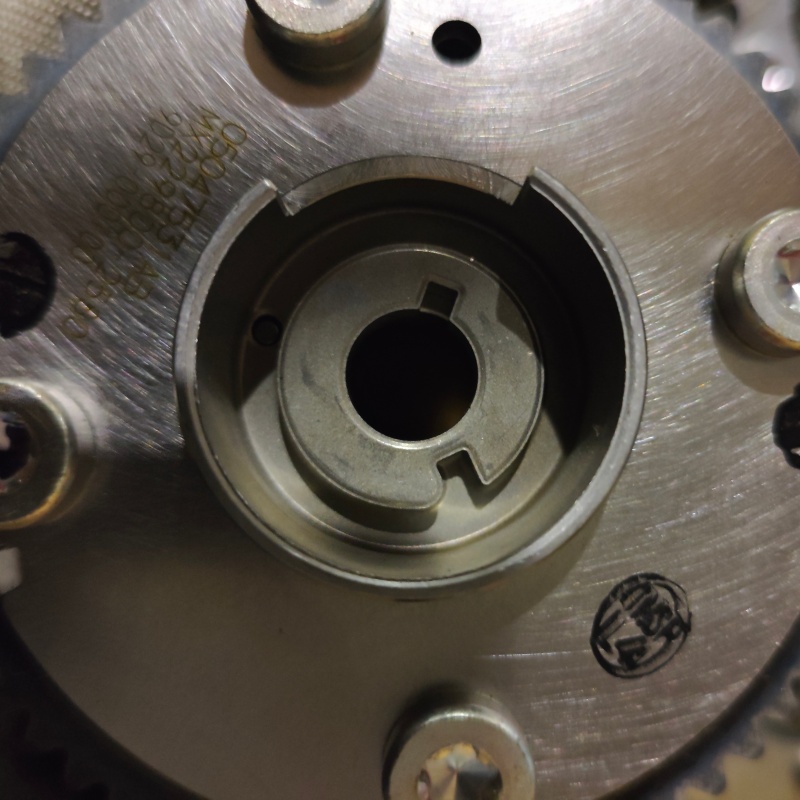
A vehicle’s climate control system is a complex network, and its performance begins with a single, crucial component: the Air Conditioning Intake. This often-overlooked part serves as the gateway for outside air, playing a fundamental role in both air conditioning and heating efficiency. Positioned typically at the base of the windshield or near the cowl, its primary function is to channel fresh, external air into the HVAC (Heating, Ventilation, and Air Conditioning) system. The quality and volume of air entering here directly impact the system’s ability to cool, heat, and dehumidify your cabin effectively.
The design and condition of the Air Conditioning Intake are paramount. A properly designed intake ensures optimal airflow with minimal resistance, allowing the blower motor to operate efficiently. More critically, this location is protected by a filter or screen to prevent large debris like leaves, twigs, and other road pollutants from entering and potentially damaging internal components such as the evaporator core and blower fan. Over time, this area can become clogged, leading to reduced airflow, musty odors from accumulated moisture and debris, and increased strain on the entire HVAC system.
For automotive parts buyers, understanding the importance of this component is key. Ensuring the intake pathway is clear and unobstructed is a simple yet vital aspect of regular vehicle maintenance. When replacing related parts like cabin air filters, it is wise to inspect the intake opening for any blockages. For vehicles involved in accidents or those experiencing persistent HVAC issues, a damaged or misaligned air conditioning intake may be the root cause, requiring professional inspection or replacement to restore peak system performance and cabin air quality.