Gearbox Solenoid Valve Plate
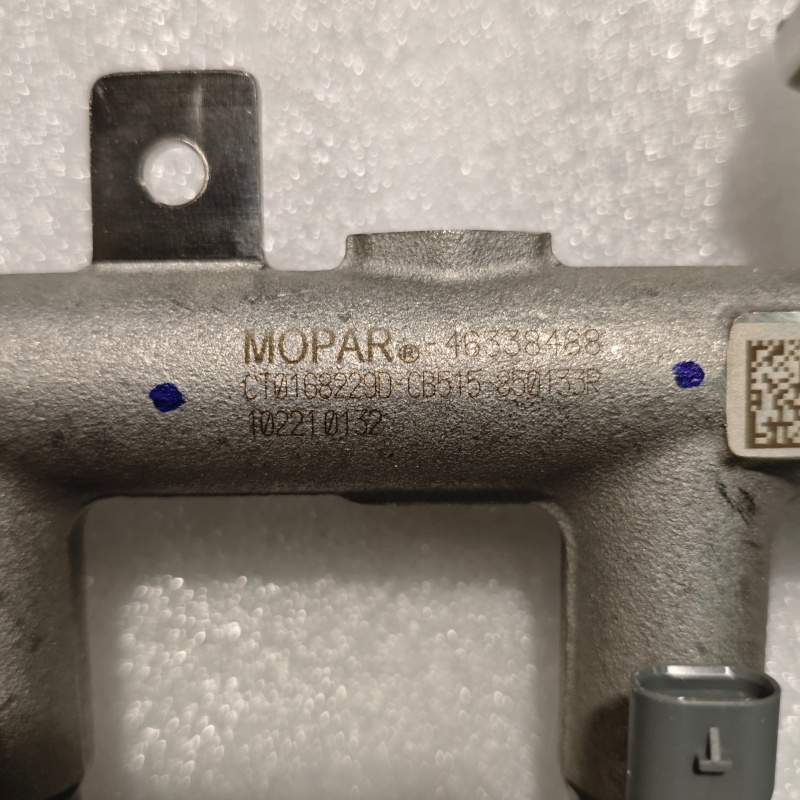
In the intricate world of modern automatic transmissions, precision control is paramount. At the heart of this hydraulic control system lies a critical component: the Gearbox Solenoid Valve Plate. This often-overlooked part serves as the central nervous system’s physical interface, directing the flow of transmission fluid to enact gear changes with seamless accuracy.
The valve plate itself is a machined metal or composite plate that acts as a mounting platform and fluid routing manifold for multiple solenoid valves and various smaller valves. Each solenoid, an electronically controlled actuator, receives commands from the vehicle’s Transmission Control Module (TCM). Upon activation, these solenoids open or close specific fluid passages within the integrated valve plate. This directsthe pressurized fluid to the appropriate clutch packs or bands, engaging or disengaging gears smoothly and efficiently. The design and integrity of the valve plate are crucial; its precisely drilled channels and sealing surfaces ensure there is no cross-contamination of fluid or loss of pressure, which are common causes of harsh shifting, slippage, or failure to engage a gear.
Common symptoms of a failing valve plate include erratic shifting, transmission slippage, delayed engagement, and diagnostic trouble codes related to solenoid circuit performance or pressure control. Issues often stem from wear, contamination from degraded fluid or clutch material, or solenoid failure itself. When replacement is necessary, it is frequently recommended to install a complete, quality-assured valve plate assembly. This ensures all integrated solenoids, valves, and seals are renewed as a matched system, restoring the transmission’s hydraulic integrity and shift quality to its original specifications. For any automatic transmission repair or rebuild, the condition of this central component is a primary factor in achieving long-term, reliable performance.