Inlet Pipe Three-Way Pipe
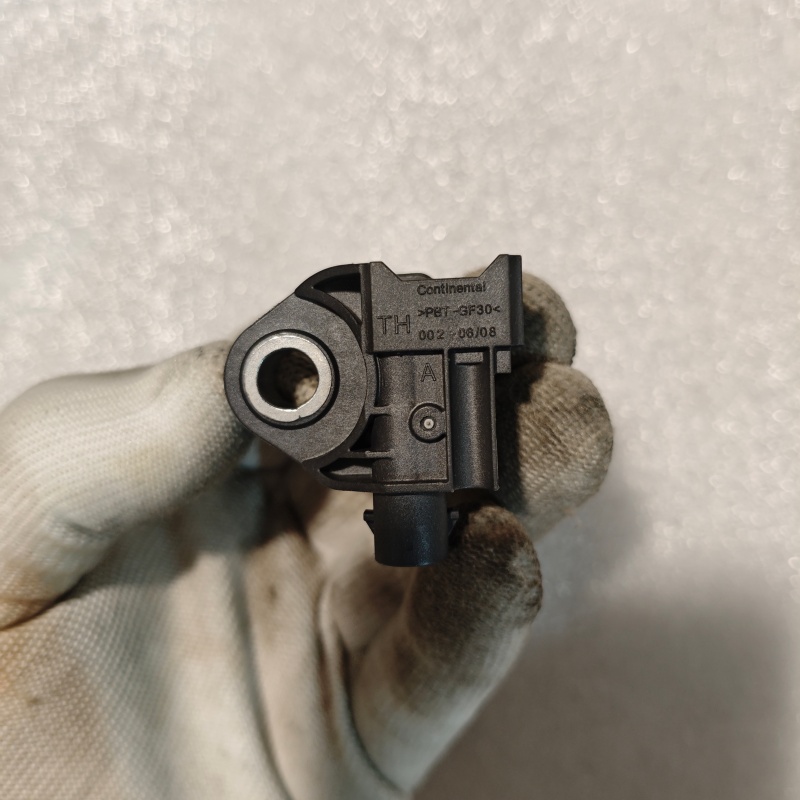
In modern automotive engineering, the efficient and precise management of airflow and fluids is paramount to engine performance and emissions control. This is where a specialized component like the Inlet Pipe Three-Way Pipe becomes a critical part of the vehicle’s intake or vacuum system. Designed as a compact and robust connector, it serves as a central junction, seamlessly integrating three separate hoses or pipes into a single, streamlined assembly.
Typically constructed from high-grade, durable materials such as reinforced rubber, silicone, or engineered plastics, this pipe is built to withstand the harsh underhood environment. It resists degradation from extreme temperatures, engine oils, and fuel vapors, ensuring long-term reliability. The primary function of the Inlet Pipe Three-Way Pipe is to consolidate pathways. In practical application, it might connect components like the Positive Crankcase Ventilation (PCV) valve, the intake manifold, and a vacuum source or another emission control device. By providing a secure and leak-free connection point, it ensures that crankcase gases are properly recirculated into the combustion cycle and that vacuum is correctly distributed to various auxiliary systems.
A properly functioning three-way inlet pipe is essential for maintaining optimal engine idle, fuel efficiency, and compliance with emission standards. A crack or leak in this component can lead to vacuum leaks, which cause rough idling, increased hydrocarbon emissions, and a check engine light. Therefore, when replacing related intake or emission system parts, inspecting the condition of this integral connector is highly recommended. Its simple yet vital role underscores the importance of every detail in automotive design, making it a key consideration for both routine maintenance and performance upgrades.