Crankshaft Ventilation Hose
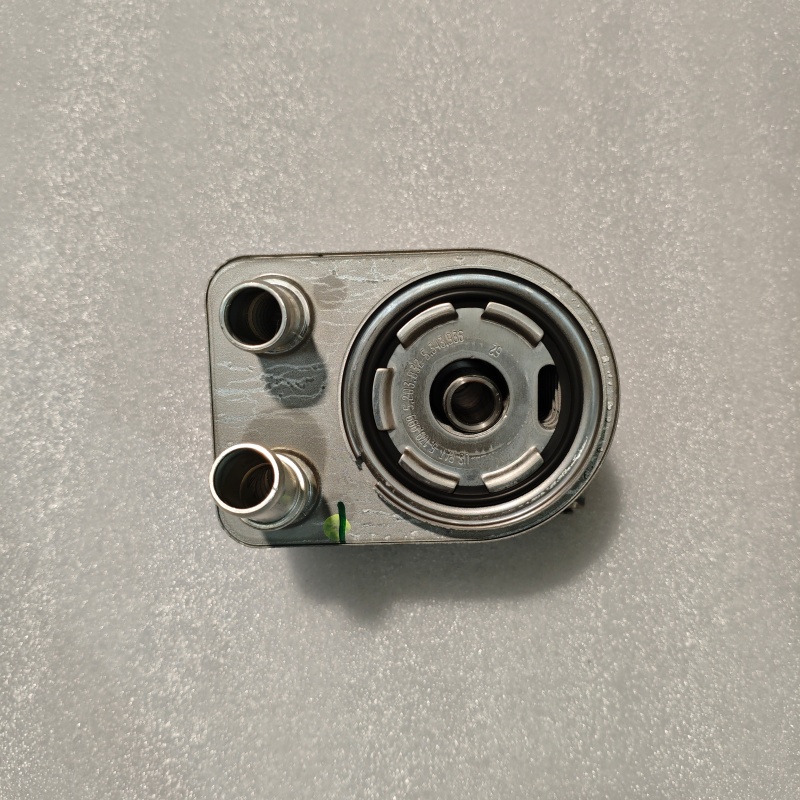
Within the intricate network of your vehicle’s engine, the Crankshaft Ventilation Hose plays a critical, though often overlooked, role in maintaining engine health, performance, and emissions compliance. This essential component is a key part of the Positive Crankcase Ventilation (PCV) system. Its primary function is to route harmful blow-by gases—a mixture of unburned fuel, exhaust, and oil vapors that escape past the piston rings—from the engine’s crankcase back into the intake manifold. These gases are then safely reburned in the combustion chambers.
A properly functioning crankshaft ventilation hose is vital for several reasons. First, it prevents the buildup of excessive pressure inside the crankcase, which can force oil past seals and gaskets, leading to leaks. Second, by removing these corrosive and combustible vapors, it protects the engine oil from contamination and sludge formation, thereby extending the life of the oil and the engine internals. Finally, it significantly reduces the emission of harmful hydrocarbons into the atmosphere, making it an important component for environmental protection.
Typically made from durable rubber or silicone compounds designed to withstand heat, oil, and vacuum pressures, this hose can degrade over time. Common signs of a failing hose include visible cracks, brittleness, oil residue around the connections, or a soft, swollen feel. A damaged hose can cause vacuum leaks, leading to rough idling, increased oil consumption, failed emissions tests, and overall reduced engine efficiency.
Regular inspection of the crankshaft ventilation hose during routine maintenance is recommended. Timely replacement with a high-quality, direct-fit hose ensures your engine breathes properly, maintains optimal performance, and remains clean and efficient for years to come.