Body Frame Rubber Sleeves are essential, yet often overlooked, components in modern vehicle construction and repair. These specialized sleeves, typically crafted from high-grade ethylene propylene diene monomer (EPDM) or similar durable elastomers, are designed to create a secure, insulated interface between a vehicle’s body and its frame or subframe. Their primary function is to mitigate the transmission of noise, vibration, and harshness (NVH) from the chassis to the passenger cabin, directly contributing to a quieter and more comfortable driving experience.
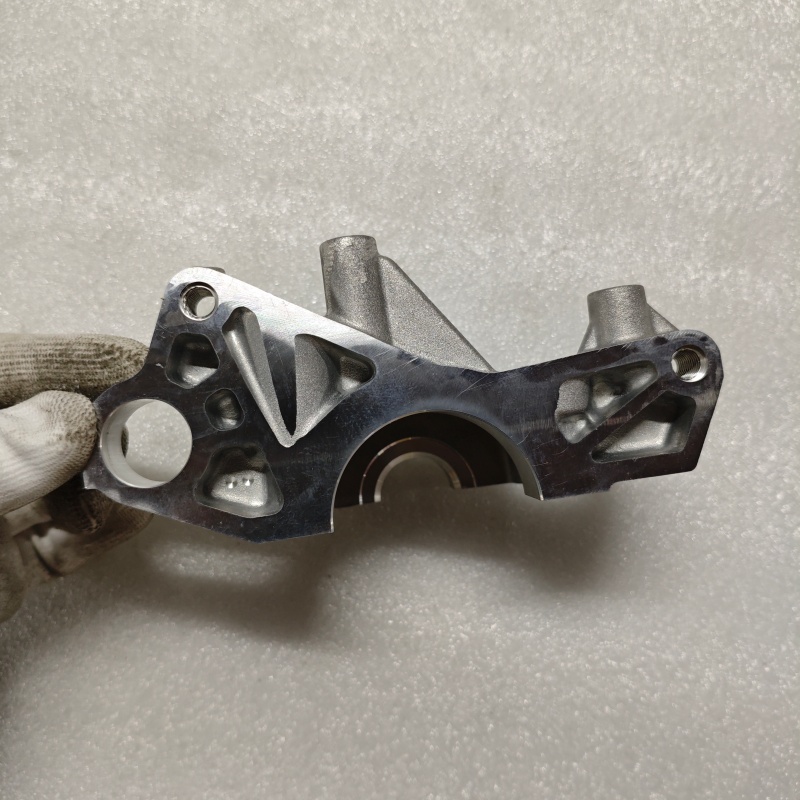
The installation of these sleeves between critical metal contact points serves multiple engineering purposes. Firstly, they act as sophisticated dampeners, absorbing and dissipating road-induced vibrations and minor impacts. Secondly, they provide crucial isolation, preventing metal-on-metal contact that can lead to squeaks, rattles, and accelerated wear. Furthermore, high-quality Body Frame Rubber Sleeves offer excellent resistance to environmental factors such as ozone, temperature extremes, and exposure to road salts and fluids, ensuring long-term performance and reliability.
For automotive technicians and restorers, ensuring the integrity of these components is vital. Worn, cracked, or missing sleeves can lead to a noticeable increase in cabin noise, a degradation in ride quality, and potentially affect alignment geometry. When replacing suspension or frame components, inspecting and renewing these sleeves is considered a best practice. On automotive parts websites, highlighting the OEM fit, material specifications, and the NVH-reduction benefits of these sleeves provides customers with the technical understanding needed to make an informed purchase, ultimately supporting vehicle safety, comfort, and durability.