When installing or replacing components in a tightly packed engine bay, a common challenge is dealing with clearance issues. The Oil Radiator Tubing Is Short can be a specific and intentional design feature, rather than a manufacturing defect, in certain high-performance or compact vehicle applications. This design choice serves several critical functions that enhance the overall efficiency and reliability of the engine’s cooling system.
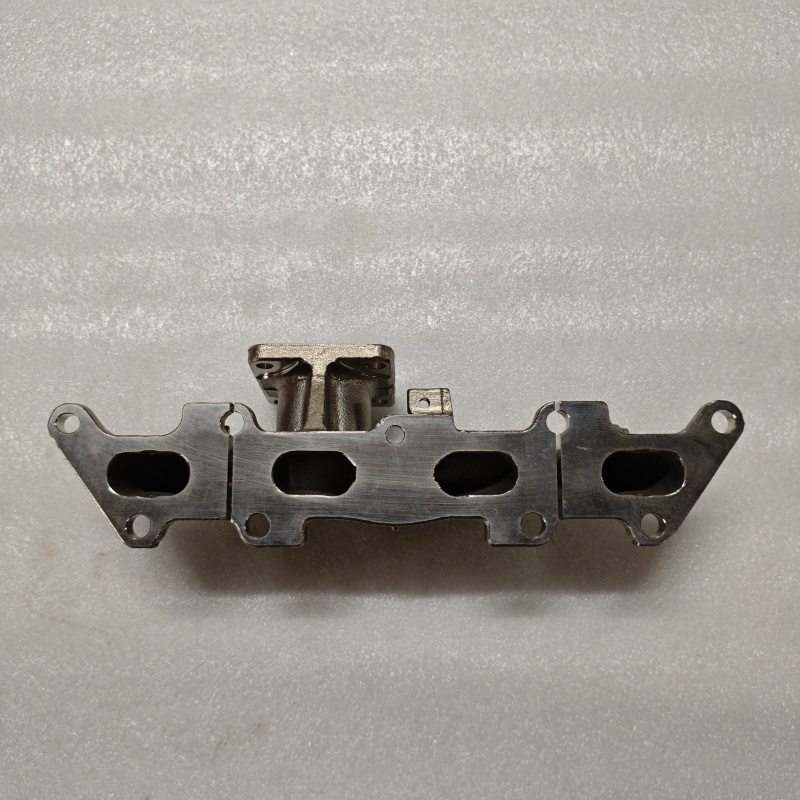
Primarily, shorter oil cooler lines significantly reduce the internal volume of the entire oil circulation circuit. A smaller volume means that the oil cycles through the radiator and back to the engine more quickly. This promotes faster warm-up times from a cold start, reducing engine wear, and allows for more rapid dissipation of heat under heavy load. The oil spends less time in the lines and more time being actively cooled within the radiator core. Furthermore, shorter tubing minimizes potential points of failure, such as leaks or abrasion from excessive vibration or contact with other components. It simplifies routing, often allowing for a more direct and secure path that is less likely to be kinked or damaged during installation or from engine movement.
For enthusiasts and mechanics, encountering short oil radiator tubing is a sign of a purpose-built system. It requires precise installation and confirms that the component is likely engineered for a specific vehicle model where space optimization is paramount. Always ensure proper fitment by comparing the tubing’s length and routing to the original equipment specifications. While it may present an initial installation challenge due to reduced flexibility, the benefits of improved thermal management and system robustness are substantial. This design underscores a commitment to efficient packaging and peak cooling performance within the constraints of modern automotive engineering.