Warm Air Box Assembly One End
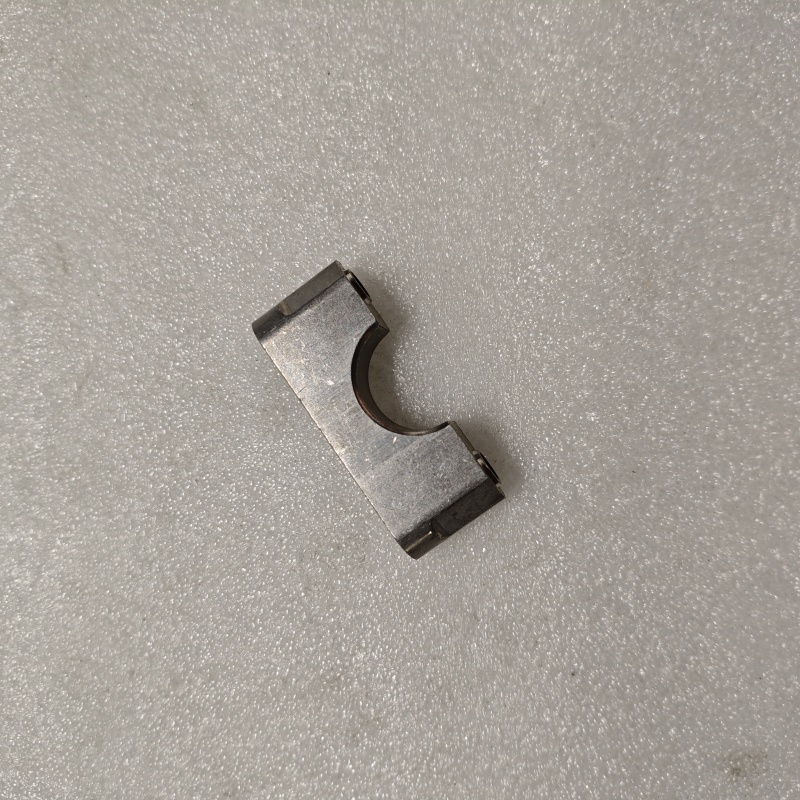
In the intricate ecosystem of an internal combustion engine, precise temperature management is paramount for optimal performance, fuel efficiency, and reduced emissions. The Warm Air Box Assembly One End plays a critical, yet often overlooked, role in this process, specifically within the vehicle’s air intake system. This component is strategically designed to regulate the temperature of the air entering the engine, particularly during the critical warm-up phase after a cold start.
The primary function of the Warm Air Box Assembly One End is to channel warmer air from around the engine’s exhaust manifold into the air cleaner assembly when ambient temperatures are low. Cold, dense air can hinder the vaporization of fuel, leading to a rich fuel mixture, incomplete combustion, and increased hydrocarbon emissions. By providing a controlled source of pre-warmed air, this assembly ensures a more balanced air-fuel mixture. This results in smoother idle, improved throttle response, and faster catalytic converter light-off, directly contributing to lower emissions and better fuel economy during initial engine operation.
Typically constructed from durable, heat-resistant materials, this assembly connects the air intake ducting to the heat stove, often a shroud around the exhaust manifold. It incorporates a thermostatically controlled valve or door that automatically modulates the blend of cold ambient air and warm engine air based on under-hood temperature. A properly functioning Warm Air Box Assembly One End is therefore essential for maintaining the engine management system’s designed efficiency. Failure or disconnection of this component can lead to persistent cold-running symptoms, elevated fuel consumption, and potential issues with emission control systems. For any vehicle restoration or repair aimed at ensuring factory-level performance and environmental compliance, verifying the integrity of this assembly is a crucial step.