Properly connecting the fuel delivery system is a critical step in engine assembly, maintenance, or repair. The procedure to Connect The Fuel Pipe To The Fuel Rail demands precision and attention to detail to ensure a leak-free, safe, and high-performing vehicle. This connection forms the final link between the fuel supply line and the engine’s fuel rail, which distributes gasoline or diesel to the injectors.
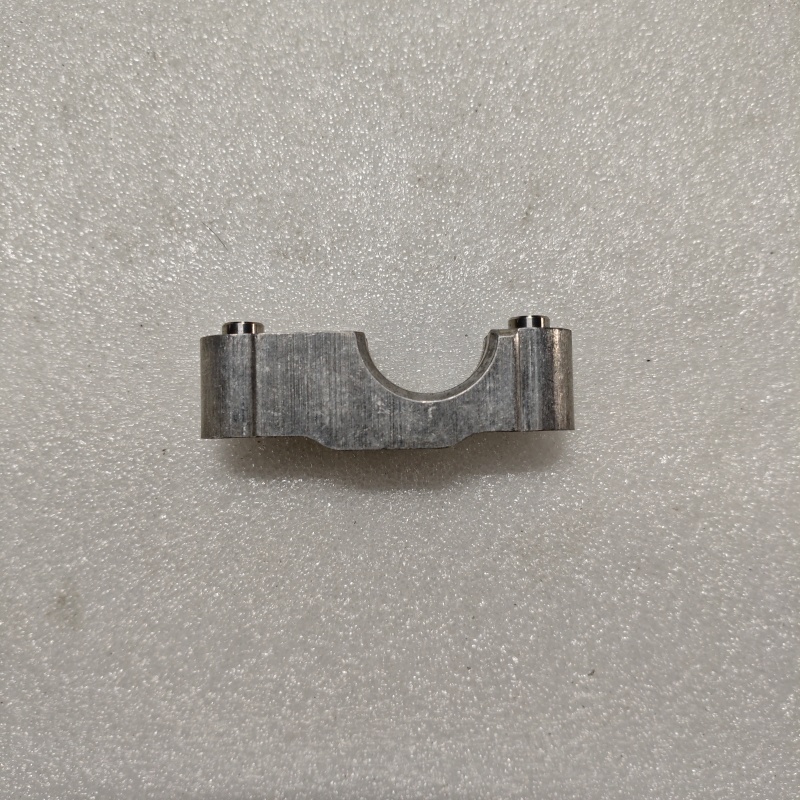
Before beginning, always relieve the fuel system pressure according to the vehicle manufacturer’s specifications to prevent hazardous spills. Inspect both the fuel pipe and the fuel rail’s connecting port for any signs of damage, corrosion, or debris. A clean mating surface is essential. The connection typically utilizes a quick-connect fitting, which requires specialized tools for disengagement and reconnection. For threaded fittings, always use the correct fuel-rated sealant or a new OEM-compliant sealing washer to prevent leaks. Never overtighten, as this can damage the threads or the components themselves.
Once the connection is made, it is crucial to verify its integrity. Re-pressurize the fuel system by turning the ignition to the "on" position (without starting the engine) several times. Carefully inspect the junction for any signs of fuel seepage. A final operational check involves starting the engine and monitoring the connection under normal operating pressure. A secure connection ensures optimal fuel pressure is maintained, directly impacting engine efficiency, power output, and emissions compliance. Using high-quality, vehicle-specific fuel pipes and following correct procedures safeguards your engine’s performance and longevity.