The Bottom Plate Of The Spare Tire is a critical yet often overlooked component of a vehicle’s undercarriage storage system. Designed to securely cradle and support the spare wheel, this plate serves as the primary structural foundation, ensuring the tire remains firmly in place during all driving conditions. Typically constructed from durable, corrosion-resistant materials such as stamped steel, reinforced polymer, or composite plastics, it is engineered to withstand exposure to road debris, moisture, and extreme temperatures.
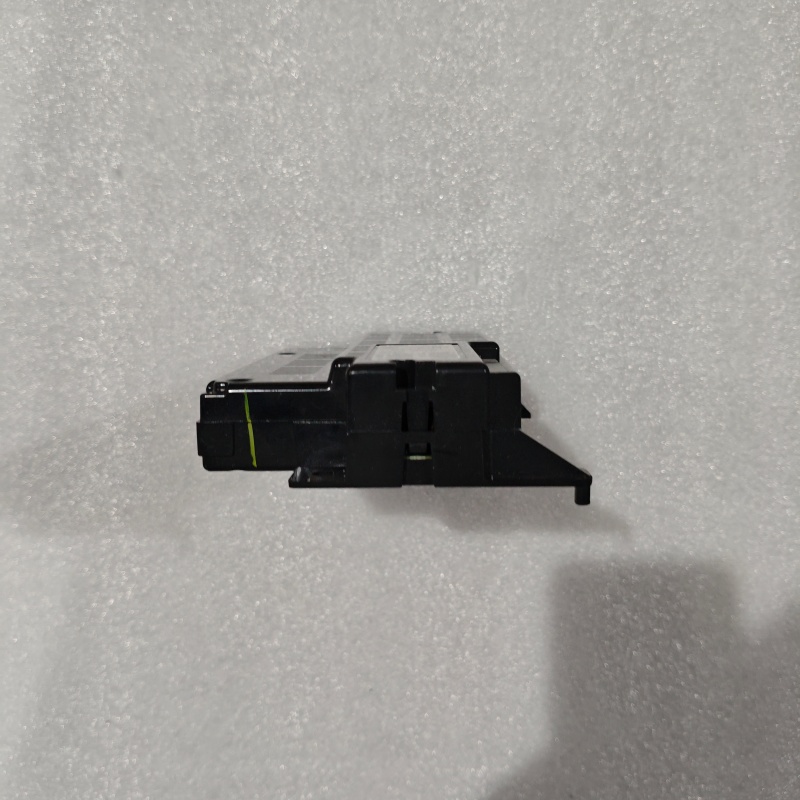
Its primary function is to provide a stable mounting platform. The plate is precisely shaped to match the contour of the spare tire, preventing unnecessary movement, vibration, or rattling that could lead to noise or damage to adjacent components. It often integrates with the tire hoist mechanism or locking assembly, forming a complete and secure enclosure that protects the spare from theft and the elements. By fully encapsulating the underside of the tire, it shields the rubber from direct exposure to road salt, grime, and UV radiation, which can significantly accelerate tread degradation and sidewall cracking.
A compromised or damaged bottom plate can lead to a host of issues. These include the spare tire becoming loose, creating potential safety hazards and annoying noises, or allowing corrosive materials to directly attack the wheel itself. When replacing or inspecting a spare tire, it is essential to examine the condition of this supporting plate for any signs of rust, deformation, or fatigue. For vehicle owners seeking to maintain the integrity and readiness of their emergency spare, ensuring the Bottom Plate Of The Spare Tire is in optimal condition is a fundamental aspect of responsible vehicle maintenance. It is a simple component that plays a vital role in safety, security, and long-term spare tire preservation.