Central Electrical Box Housing
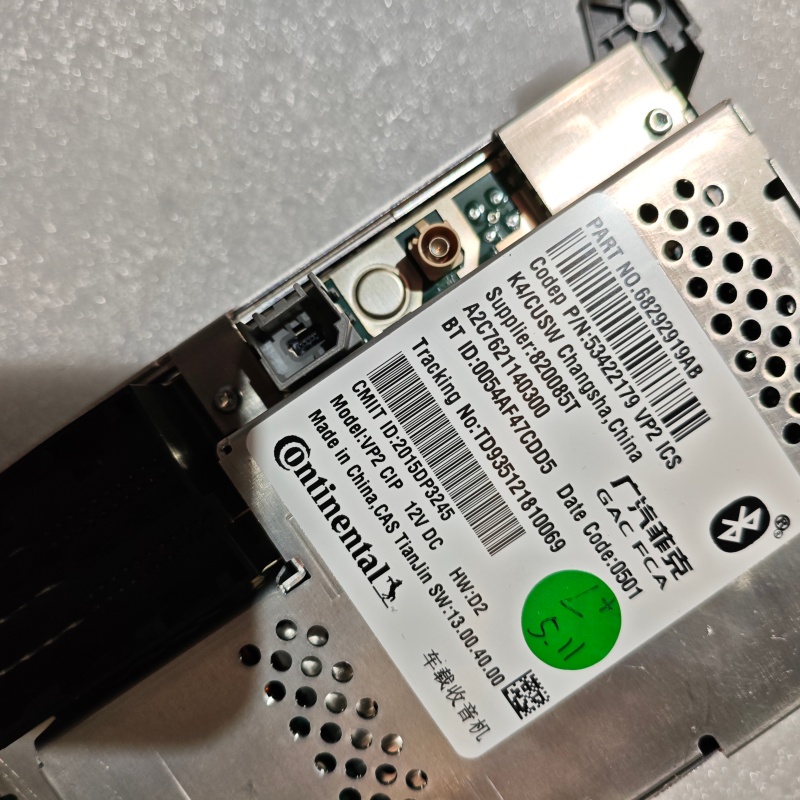
In modern automotive electrical systems, the Central Electrical Box Housing serves as the critical nerve center, providing essential protection and organization for a vehicle’s most vital electronic components. This robust enclosure, typically engineered from high-grade, temperature-resistant plastics or composite materials, is designed to safeguard fuses, relays, and control modules from environmental hazards. Its primary function is to ensure the long-term reliability and safety of the electrical network by shielding sensitive circuitry from moisture, dust, road debris, and excessive under-hood heat.
The design of a Central Electrical Box Housing is a precise exercise in functionality. It features a secure, often sealed closure mechanism to prevent water ingress and specialized internal structures for the orderly arrangement and secure mounting of electrical elements. This organization is crucial for facilitating efficient diagnostics, easy maintenance, and streamlined repairs, allowing technicians to quickly access and service fuses or relays. Furthermore, the housing is engineered with dedicated entry and exit ports for wiring harnesses, ensuring cables are routed neatly and protected from chafing or vibration damage.
For any vehicle, the integrity of this housing is paramount. A compromised enclosure can lead to electrical failures, short circuits, or even fire hazards. Therefore, when a replacement is necessary, selecting a high-quality OEM-specification Central Electrical Box Housing is essential. It guarantees perfect fitment, maintains the original system’s protection ratings, and ensures all connectors and components seat correctly. This component is fundamental to preserving the vehicle’s electrical integrity, supporting everything from engine management and lighting to comfort and safety features, making it a cornerstone of automotive electronic design and durability.