Intake Valve Regulating Actuator
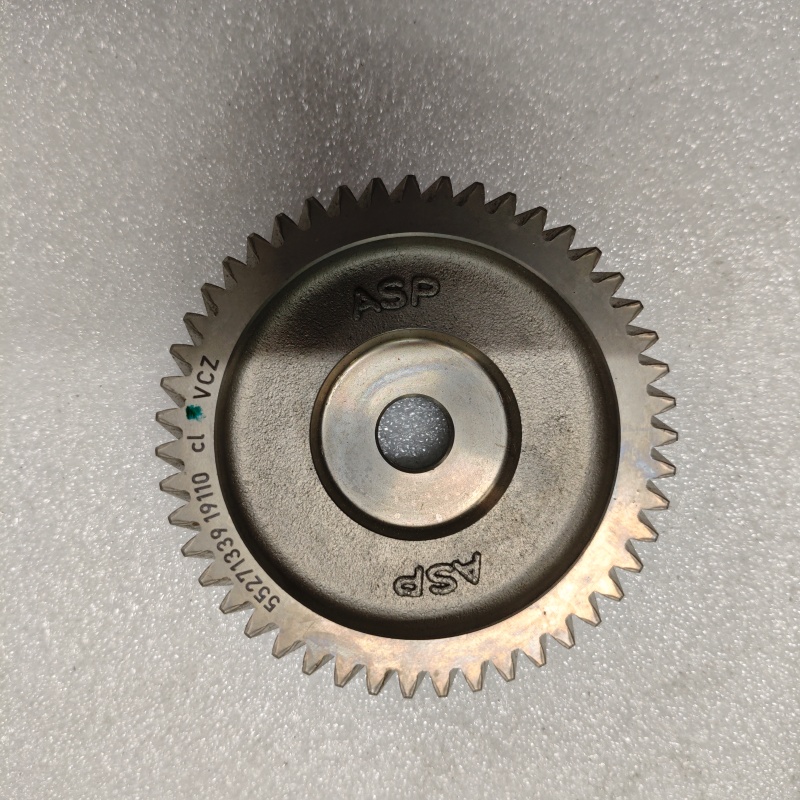
In modern internal combustion engines, precision and efficiency are paramount. Central to achieving this is the Intake Valve Regulating Actuator, a sophisticated electromechanical component that plays a critical role in engine management and performance optimization. This actuator serves as the key execution unit for variable valve timing (VVT) or cylinder deactivation systems, directly controlling the operation of the intake valves.
The primary function of the Intake Valve Regulating Actuator is to dynamically adjust the timing, duration, or lift of the engine’s intake valves in response to real-time data from the Engine Control Unit (ECU). By doing so, it precisely manages the volume of air entering the combustion chambers. This allows the engine to operate with optimal efficiency across different RPM ranges and load conditions. During low-speed driving, it can promote better fuel economy and reduced emissions, while at higher speeds, it enables enhanced airflow for increased power and torque output.
Typically installed on the cylinder head and linked to the camshaft or valve train, this actuator receives electrical signals from the ECU. These signals command it to adjust its position, thereby altering the valve profile. Its robust design ensures reliable performance under extreme temperatures and constant mechanical stress. A malfunctioning actuator can lead to noticeable issues such as poor fuel economy, loss of power, rough idling, or increased emissions.
For any vehicle equipped with advanced VVT technology, maintaining a fully functional Intake Valve Regulating Actuator is essential. It ensures the engine delivers the perfect balance of responsive power, fuel efficiency, and clean operation that modern drivers expect. When replacement is necessary, choosing a high-quality, OEM-equivalent actuator is crucial for restoring peak engine performance and longevity.