The Turn To The Outer Ball Head Left procedure is a critical step in the installation and maintenance of your vehicle’s tie rod assembly. This component is essential for precise steering and proper wheel alignment, ensuring safe handling and optimal tire wear. When replacing a tie rod end or performing an alignment adjustment, following this specific instruction is paramount for a successful and lasting repair.
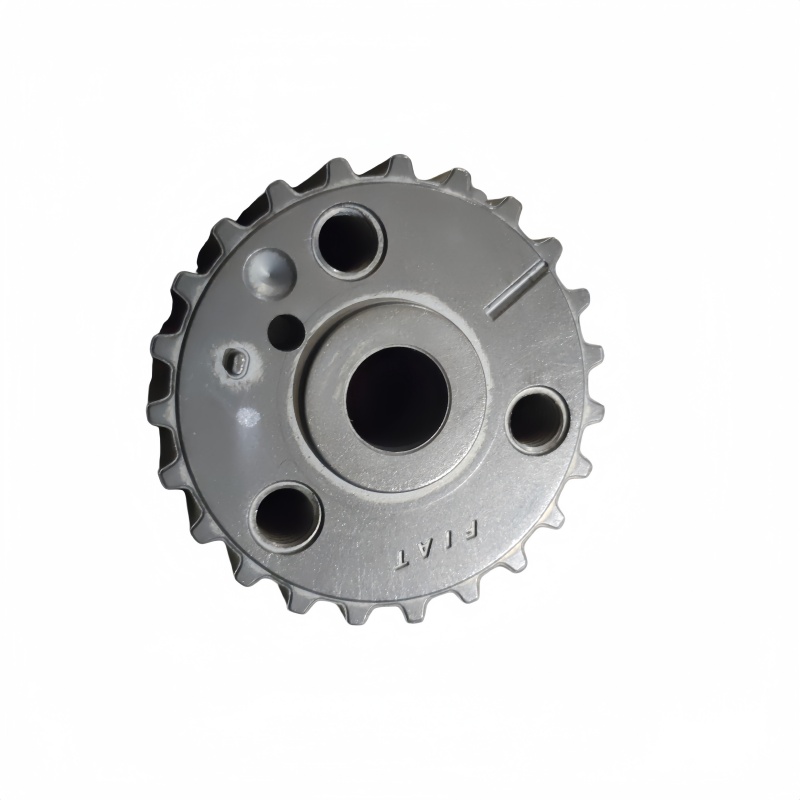
This directive refers to the threaded connection point where the inner tie rod meets the outer tie rod end. Typically, to shorten the overall assembly length for adjustment, you must rotate the outer ball head itself—the component that connects to the steering knuckle—in a counter-clockwise or left-hand direction. It is crucial to distinguish this from turning the entire tie rod sleeve or the inner tie rod. Always consult your vehicle’s specific service manual for confirmation, as thread directions can vary.
Before beginning, ensure the vehicle is securely lifted and the front wheels are off the ground. Loosen the lock nuts or clamps on the tie rod sleeve to allow for rotation. Then, carefully apply force to the outer ball head, turning it left. This action draws the steering knuckle inward, adjusting the toe angle. Use precise measuring tools to monitor the adjustment incrementally. Once the correct specification is achieved, securely tighten all locking fasteners to the manufacturer’s recommended torque values to prevent any dangerous loosening during operation.
A proper Turn To The Outer Ball Head Left adjustment guarantees your steering system functions as engineered, providing responsive control and driving stability. Always perform such procedures with care or seek professional assistance to maintain your vehicle’s safety integrity.