The Seat Belt Warning Sensor is a critical electronic safety component designed to enhance occupant protection and promote safe driving habits. Integrated into the vehicle’s seat structure or buckle mechanism, its primary function is to detect whether a seat belt is properly fastened. When the system identifies an unfastened belt, it triggers a multi-stage warning sequence. This typically begins with a visual alert on the instrument cluster, followed by an audible chime. The system’s intelligence often accounts for various driving conditions, such as vehicle speed, to determine the appropriate warning level.
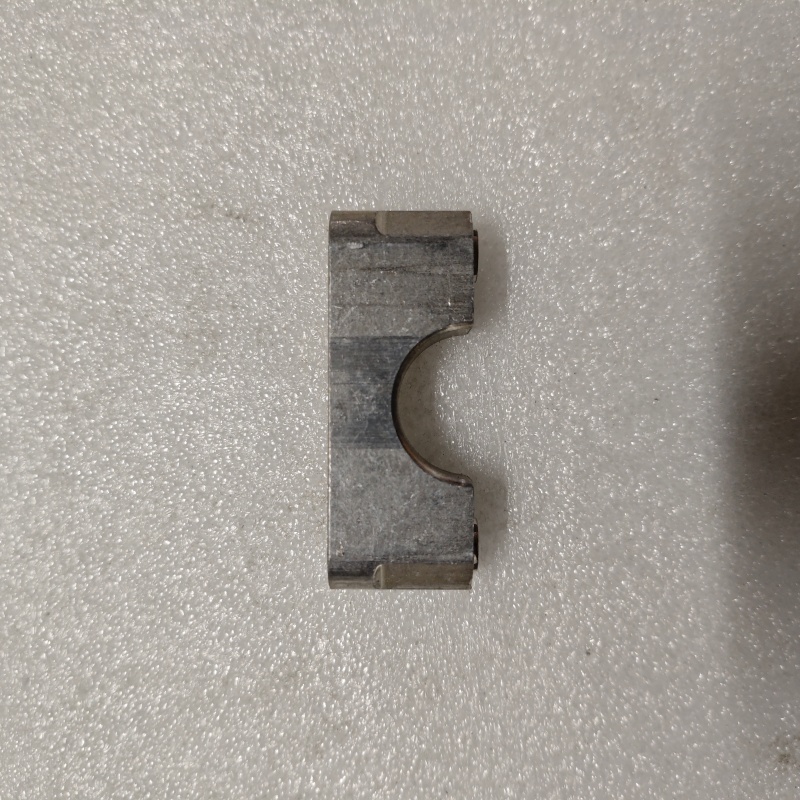
Modern sensors are highly reliable and engineered for durability, withstanding the daily wear and tear of vehicle use. They form an essential communication link between the vehicle’s safety systems and the driver, directly interfacing with the car’s main computer or restraint control module. This integration allows the sensor to work in concert with other safety features, providing a foundational layer of protection.
For vehicle owners, a malfunctioning sensor can lead to persistent false warnings or a failure to alert, compromising a key safety reminder. Replacing a faulty unit restores this vital function, ensuring the warning system operates as intended by the manufacturer. This component, while small, plays an indispensable role in the overall safety ecosystem of your car, actively encouraging seat belt use—one of the most effective measures for preventing injury in the event of a collision. Ensuring its proper operation is a simple yet significant aspect of vehicle maintenance.