The Abs Sensor After R/L Mixing is a critical, integrated component within a vehicle’s Anti-lock Braking System (ABS). It represents the final sensing point located after the left and right wheel speed sensor signals have been electronically processed and combined by the vehicle’s ABS control module. This specific data point is essential for advanced vehicle stability and traction control functions.
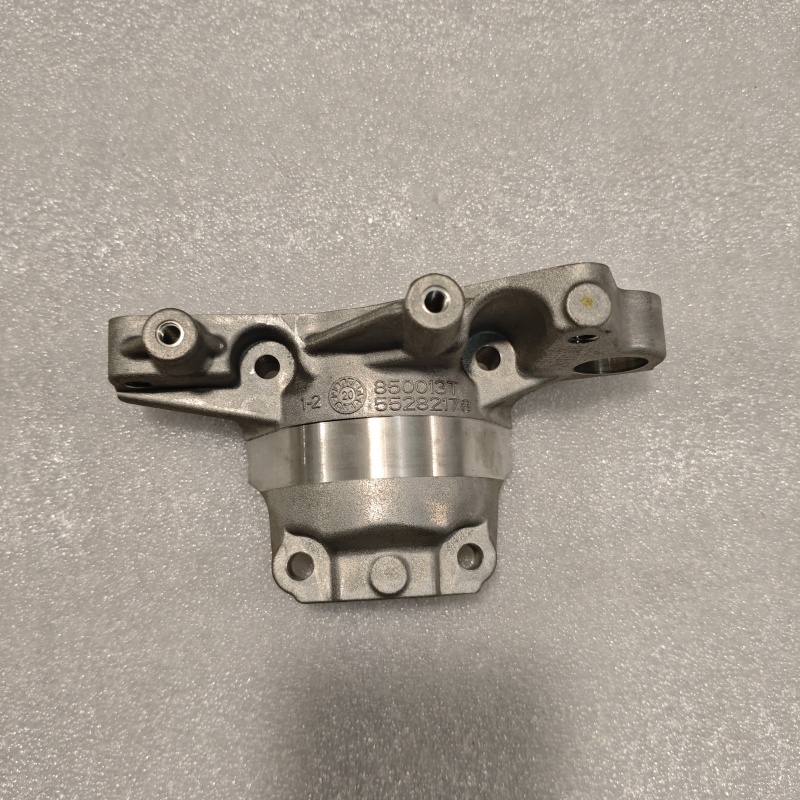
In modern ABS and ESC (Electronic Stability Control) systems, individual sensors at each wheel monitor rotational speed. The control unit constantly compares these signals. The "After R/L Mixing" reference indicates the sensor or, more precisely, the calculated data stream that reflects the combined speed of both wheels on an axle after the module has interpreted and synthesized the separate left (L) and right (R) inputs. This synthesized signal provides a more accurate benchmark for the vehicle’s overall cornering and directional behavior.
This component is vital for systems that manage torque vectoring and advanced traction control. By analyzing the data from the Abs Sensor After R/L Mixing, the vehicle’s computer can detect not just a single wheel locking up, but also more subtle instability, such as when the entire axle begins to lose traction or when the vehicle is entering an understeer or oversteer condition. It allows for precise, coordinated braking intervention on one or both wheels to help maintain driver control.
Therefore, ensuring the integrity of this sensor and its related data pathway is crucial for the full operation of a vehicle’s active safety features. A fault in this system can trigger warning lights and may compromise the functionality of ABS, traction control, and stability programs, underscoring its importance in overall vehicular safety and performance.