When performing maintenance or modifications to a vehicle’s undercarriage, attention is often focused on the exhaust system or suspension. However, a critical yet frequently overlooked component resides in the heat shield under the fuel tank. This protective barrier is engineered for a singular, vital purpose: to manage and deflect the intense thermal energy generated by the exhaust system and other drivetrain components. Without it, this concentrated heat would transfer directly to the fuel tank, posing a significant safety risk and potentially impacting vehicle performance.
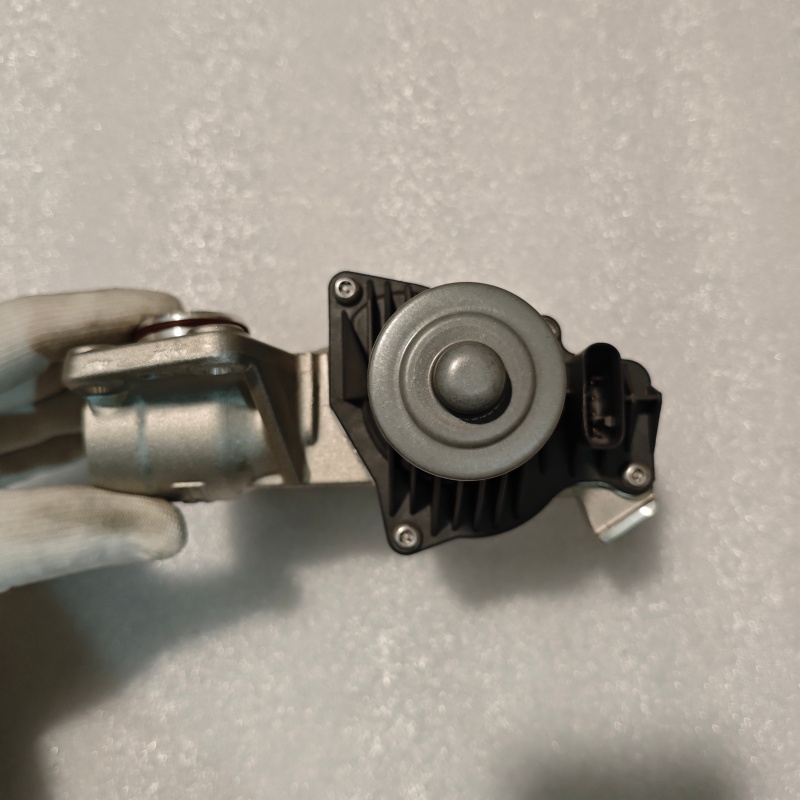
The shield itself is typically constructed from layered materials, such as aluminum sheets bonded to insulating foam or specialized heat-resistant composites. Its design is precisely contoured to fit securely between the fuel tank and heat sources, creating an essential air gap that further enhances its insulating properties. Over time and through exposure to road debris, moisture, and salt, these shields can become corroded, loose, or damaged. A compromised shield loses its effectiveness, allowing excessive heat to reach the fuel tank. This can lead to premature wear of the tank itself, contribute to vapor lock in older vehicles, and in extreme cases, present a fire hazard.
For any automotive enthusiast or technician, inspecting the condition of the heat shield under the fuel tank is a non-negotiable aspect of routine vehicle safety checks. Replacing a damaged shield with a high-quality, vehicle-specific part is a straightforward procedure that restores this crucial layer of protection. It ensures the fuel system operates within safe temperature parameters, safeguarding both the vehicle and its occupants. Ultimately, this unassuming component plays an indispensable role in the thermal management and long-term reliability of every automobile.