The Outlet Pipe Low Pressure is a critical component within a vehicle’s fuel vapor management system, specifically in vehicles equipped with evaporative emission controls. Its primary function is to serve as a controlled pathway for fuel vapors traveling from the charcoal canister to the intake manifold. This process is essential for both environmental compliance and engine performance, as it prevents hydrocarbons from being released into the atmosphere and allows the engine to burn these vapors efficiently.
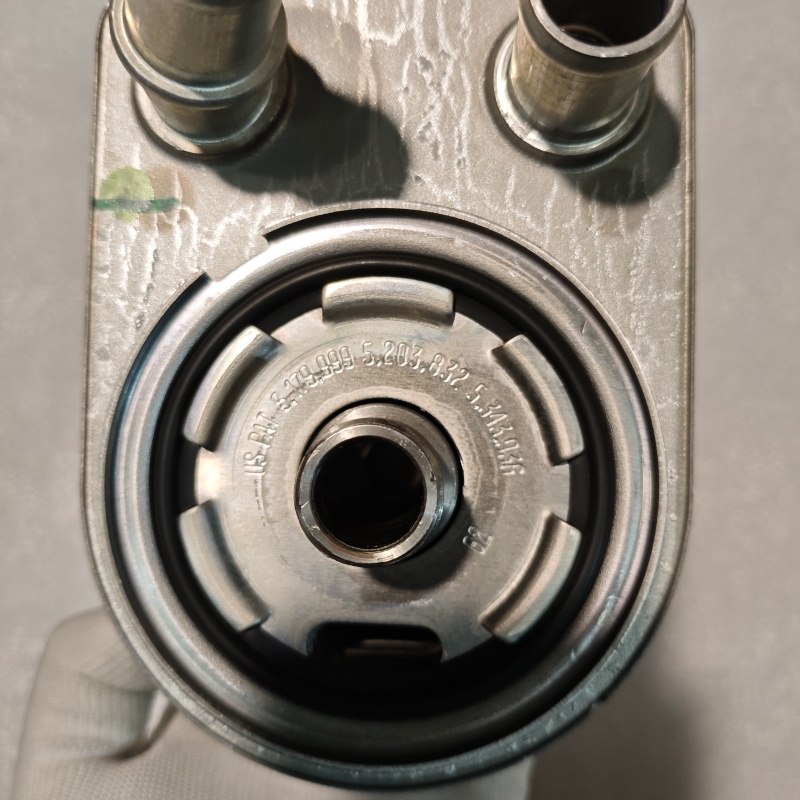
Typically constructed from durable materials like reinforced rubber or high-grade plastic, this pipe is engineered to withstand constant exposure to fuel vapors, heat from the engine bay, and varying pressure conditions. Its design ensures a secure and leak-free connection between the canister purge valve and the engine’s intake. A compromised or failing outlet pipe low pressure can lead to a range of issues. Common symptoms include a persistent check engine light triggered by evaporative emission system leak codes, rough engine idling, and a noticeable drop in fuel economy due to the disruption in the precise air-fuel mixture.
Regular inspection of this component is recommended as part of routine vehicle maintenance. Cracks, brittleness, loose connections, or signs of fuel odor near the pipe indicate a need for immediate replacement. Ensuring the integrity of the outlet pipe low pressure is vital for maintaining optimal engine performance, reducing harmful emissions, and avoiding potential drivability concerns. Always consult your vehicle’s service manual or a professional technician for compatibility and installation procedures.