The transmission valve body assembly is a critical hydraulic control component within an automatic transmission system. Often referred to as the "brain" of the transmission, it directs the flow of transmission fluid to various clutches and bands to enable smooth, timely gear shifts. This intricate assembly is comprised of a network of valves, solenoids, passages, and sensors, all housed within a precision-cast aluminum or valve body.
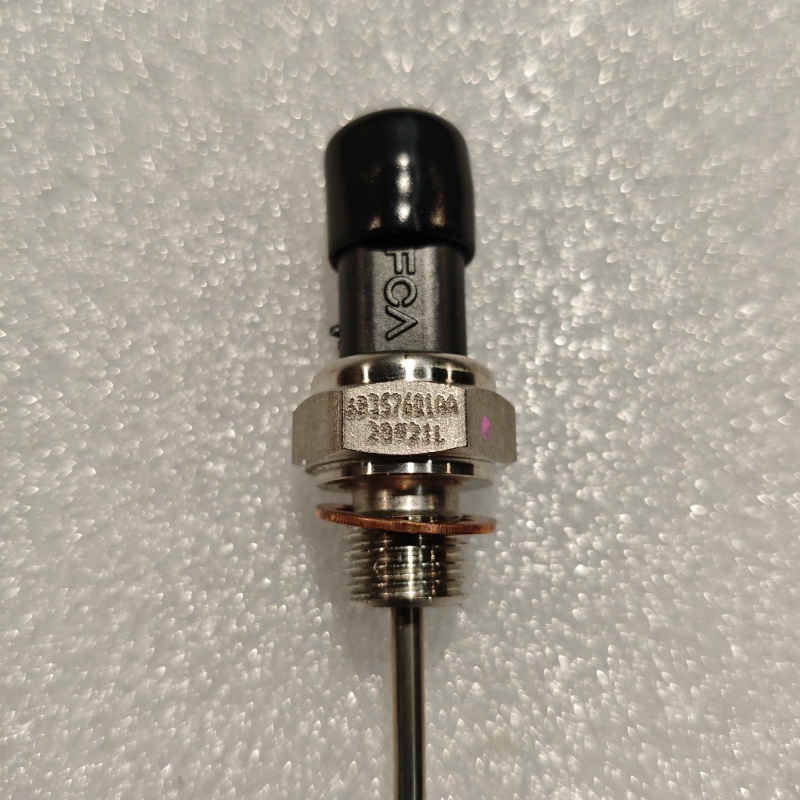
Its primary function is to interpret electronic signals from the vehicle’s Transmission Control Module (TCM) and convert them into precise hydraulic actions. When the TCM determines a gear change is necessary, it activates specific solenoids on the Transmission Valve Body Assembly. These solenoids then open or close valves, routing pressurized fluid to engage or disengage the correct clutch packs or band servos. This process dictates the transmission’s shifting behavior, directly impacting performance, fuel efficiency, and driving comfort.
A malfunctioning valve body assembly can lead to a range of drivability issues. Common symptoms include harsh or delayed shifts, slipping gears, failure to shift into certain gears, and the illumination of the check engine light. Problems often stem from worn valve bores, stuck valves, clogged fluid passages, or failed solenoids, frequently caused by contaminated or degraded transmission fluid.
For vehicle owners experiencing such transmission problems, replacing or professionally refurbishing the valve body assembly is often a cost-effective solution compared to a full transmission overhaul. Ensuring the use of high-quality, compatible parts and proper installation is crucial for restoring optimal shift quality and transmission longevity. Regular maintenance, including timely transmission fluid and filter changes, is the best practice to prevent premature failure of this vital component.