Parking Assist Computer
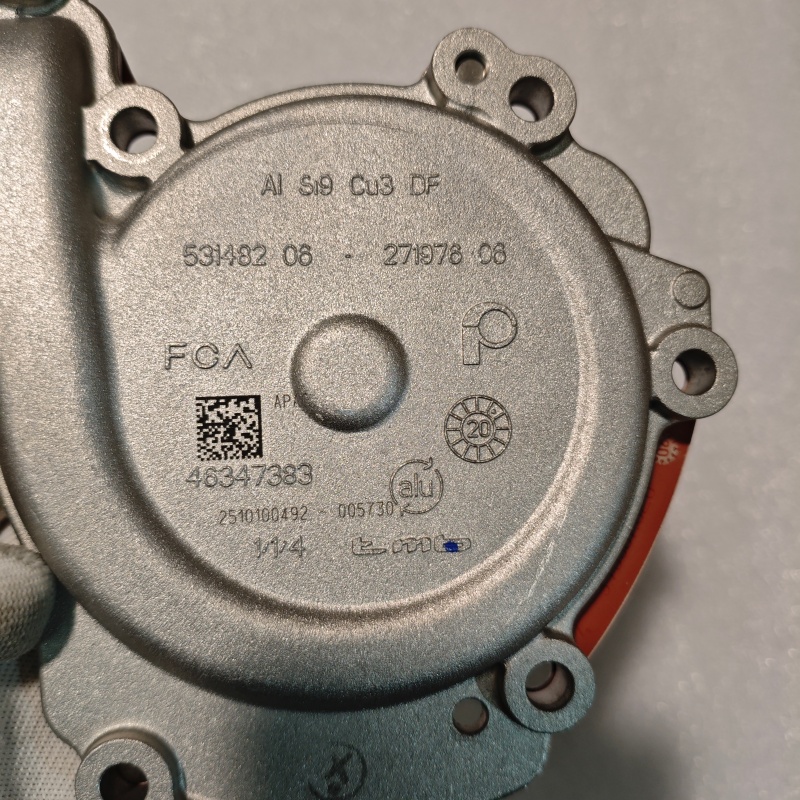
In the landscape of modern automotive technology, the Parking Assist Computer stands as the central intelligence behind advanced driver-assistance systems (ADAS) designed to simplify urban and tight-space maneuvering. This sophisticated electronic control unit is far more than a simple processor; it is the dedicated brain that interprets data from a network of ultrasonic sensors and, in more advanced systems, cameras to create a real-time model of the vehicle’s surroundings.
The primary function of the Parking Assist Computer is to calculate precise distances between the vehicle and nearby obstacles. It processes signals from sensors mounted on the bumpers, analyzing the time it takes for ultrasonic waves to return. This data is then translated into the audible warnings that increase in frequency as an object gets closer, providing the driver with intuitive feedback. In vehicles equipped with semi-autonomous parking features, this computer takes on an even more critical role. It not only monitors the environment but also calculates optimal steering angles and trajectories, seamlessly interfacing with the vehicle’s Electric Power Steering (EPS) and engine control modules to execute perfect parallel or perpendicular parking maneuvers with minimal driver input.
For automotive parts suppliers and repair specialists, understanding the centrality of the Parking Assist Computer is crucial. It is a high-precision component that often requires professional calibration following any replacement or repair to surrounding bodywork or sensors. A malfunctioning unit can disable the entire parking assist system, leading to customer dissatisfaction and potential safety concerns. As vehicles evolve towards greater autonomy, the reliability and computational power of this computer will only become more integral, making it a key component in the ecosystem of modern vehicle safety and convenience features.