In the intricate ecosystem of an automotive drivetrain, the intermediate shaft plays a pivotal role in transmitting torque and maintaining synchronization between components. Over time, wear or specific performance modifications can necessitate its replacement or adjustment. The process to Turn Down The Intermediate Shaft refers to the precise machining operation where the shaft’s diameter is carefully reduced in specific sections. This is not a standard maintenance task but a specialized procedure often undertaken during engine rebuilding, custom installations, or when adapting components for a high-performance or restoration project.
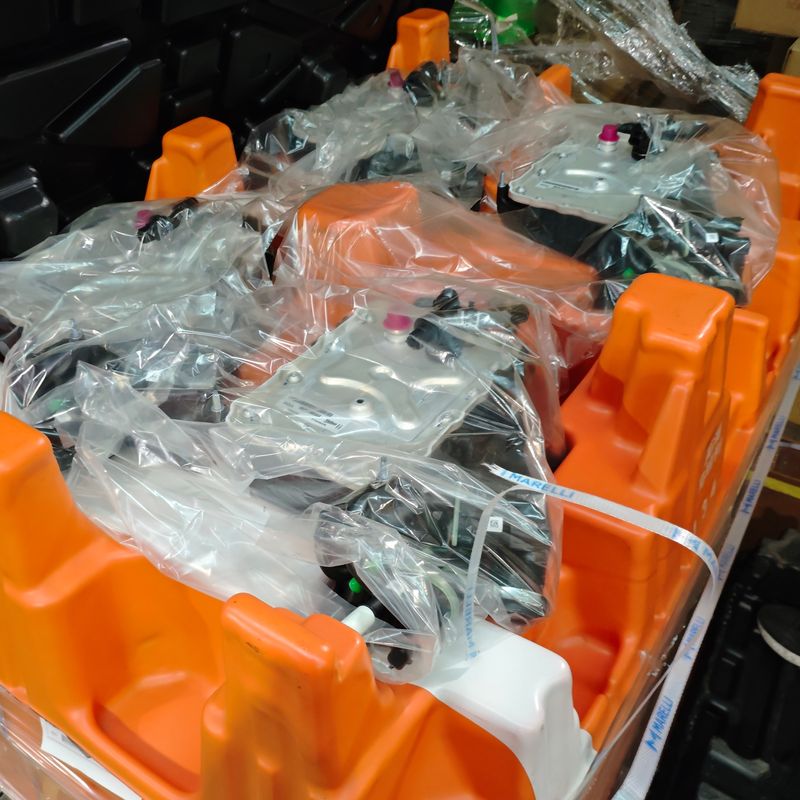
The decision to Turn Down The Intermediate Shaft is critical for ensuring proper fitment with new bearings, seals, or mating parts that may have different specifications. It requires expert machining to maintain the shaft’s structural integrity, perfect concentricity, and surface finish. An improperly machined shaft can lead to premature bearing failure, oil leaks, vibration, and significant drivetrain damage. Therefore, this procedure demands high-precision equipment and technical expertise.
For enthusiasts and professionals sourcing parts, understanding this term is essential. When selecting an intermediate shaft, confirm its specifications match your application. If modification is required, consult with a qualified machinist who can accurately perform the turn-down operation to the exact measurements needed. Using precisely engineered and correctly machined components, like a properly turned intermediate shaft, is fundamental to achieving reliable power transmission, smooth operation, and the long-term durability of your vehicle’s drivetrain system. Always prioritize quality and precision in these critical components.