Evaporative Carbon Canister Seals are a critical, yet often overlooked, component within a vehicle’s Evaporative Emission Control (EVAP) system. This system is designed to prevent gasoline vapors from the fuel tank from escaping into the atmosphere. The canister itself is filled with activated charcoal, which absorbs and stores these fuel vapors until the engine is running and can purge them into the intake manifold to be burned. The integrity of this entire process hinges on the seals.
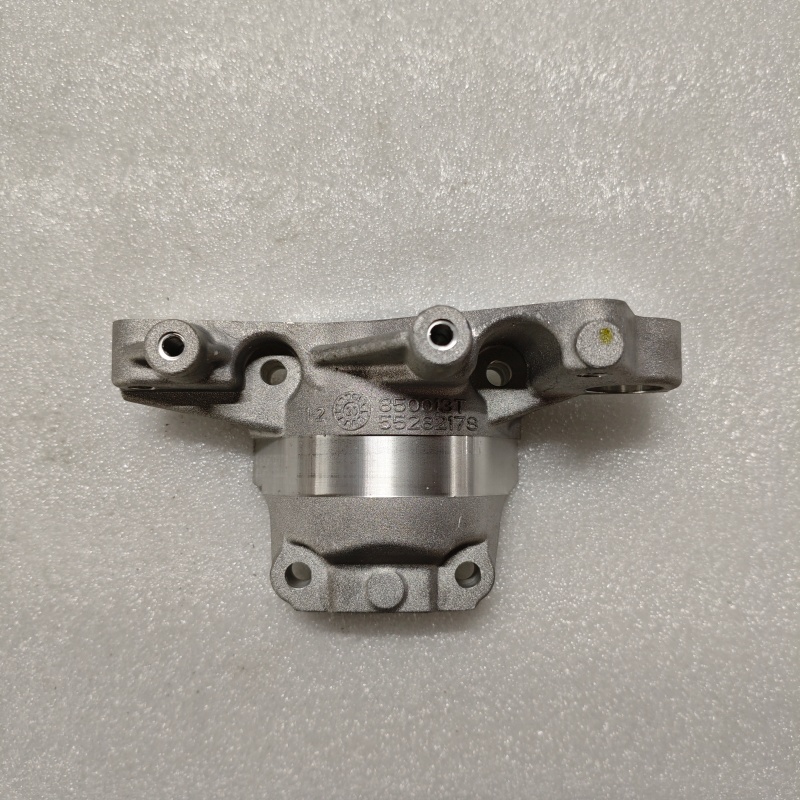
These specialized seals, typically made from high-grade fluorocarbon or other fuel-resistant elastomers, are located at the canister’s ports and mounting points. Their primary function is to maintain a completely airtight seal for the EVAP system. Any compromise in these seals—through hardening, cracking, or swelling due to age, extreme temperatures, or chemical exposure—creates a vacuum leak or allows vapors to escape. This failure triggers the vehicle’s onboard diagnostics to illuminate the Check Engine light, often with trouble codes related to the EVAP system. More importantly, a faulty seal reduces the system’s efficiency, leading to increased hydrocarbon emissions and potential fuel odor, especially when the tank is full.
For automotive technicians and DIY enthusiasts, inspecting and replacing worn Evaporative Carbon Canister Seals is a fundamental step in EVAP system diagnostics and repair. Ensuring these seals are in perfect condition is essential for restoring proper system function, clearing fault codes, and ensuring the vehicle meets environmental emissions standards. Using high-quality, direct-fit replacements guarantees the correct material compatibility and dimensional accuracy for a reliable, long-lasting seal, protecting both vehicle performance and the environment.