Front Differential Connection Shaft
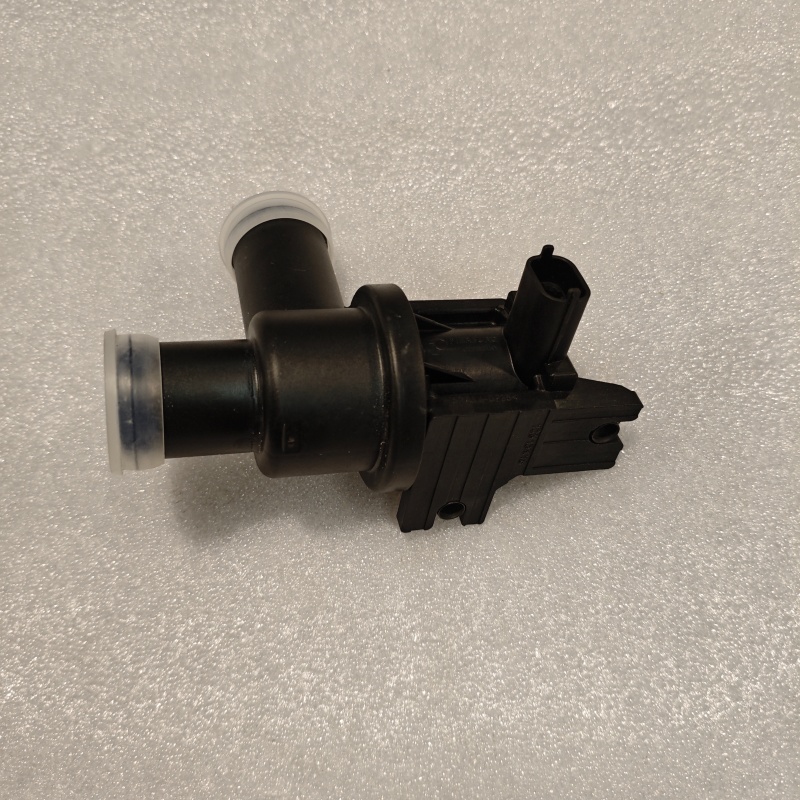
In the intricate network of a four-wheel or all-wheel drive vehicle, the Front Differential Connection Shaft serves as a critical linchpin for power delivery and drivability. This robust component, also commonly referred to as a front propeller shaft or drive shaft, is tasked with a singular, vital mission: to transmit rotational torque from the vehicle’s transfer case or transmission directly to the front differential assembly.
The operational integrity of the Front Differential Connection Shaft is paramount for ensuring seamless engagement of the front axle. When the driver or vehicle system commands four-wheel drive, this shaft springs into action. It carries engine power forward, allowing the front differential to distribute it between the front wheels, thereby providing enhanced traction and control in challenging conditions such as rain, snow, mud, or off-road terrain. Without a fully functional connection shaft, the front drivetrain remains disengaged, effectively rendering the vehicle in a two-wheel drive mode and significantly compromising its stability and grip in low-traction scenarios.
Constructed for durability, this shaft is typically made from high-strength steel or aluminum and features precision universal joints or constant velocity (CV) joints at each end. These joints accommodate the relative movement between the fixed transmission and the oscillating front axle, ensuring smooth power transfer even as the suspension articulates. Regular inspection for issues like excessive play in the joints, worn balancing weights, or damage to the protective tubing is essential. Any imbalance, vibration, or clicking noise during acceleration, particularly in 4WD mode, may indicate a failing Front Differential Connection Shaft requiring immediate professional attention to restore the vehicle’s full driving capabilities and safety.