The front wheel bearing is a critical, yet often overlooked, component in your vehicle’s suspension and drivetrain system. Its primary function is to allow the wheel to rotate smoothly and with minimal friction while supporting the vehicle’s weight. Modern vehicles predominantly use a sealed, precision-engineered unit known as a hub assembly, which integrates the bearing, wheel hub, and often the vehicle’s ABS sensor.
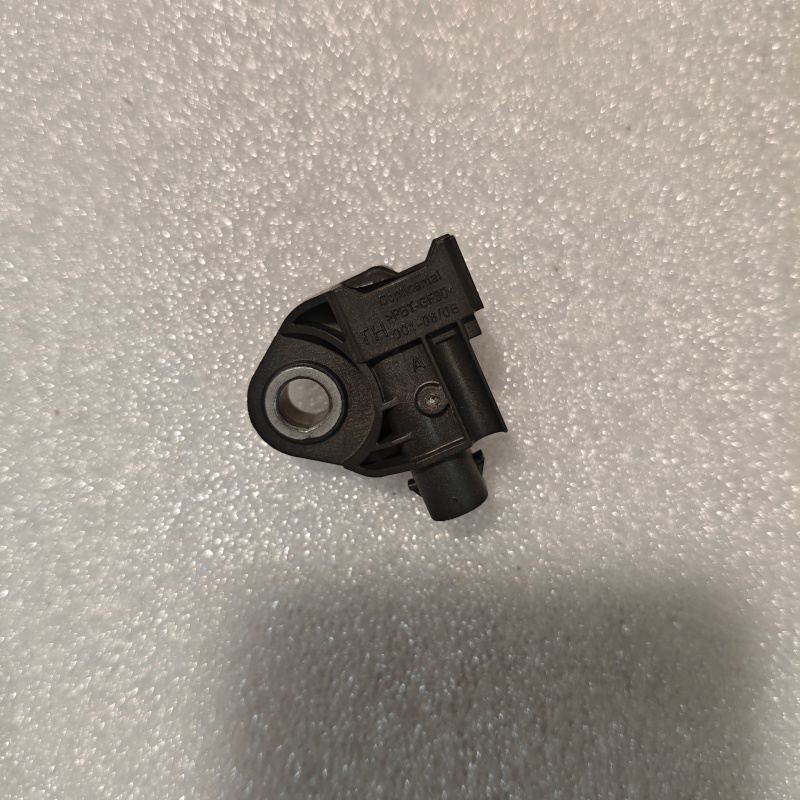
Inside The Front Wheel Bearing, a complex arrangement of high-grade steel balls or tapered rollers is held within precisely machined inner and outer races. These elements work in unison to handle significant radial loads (from the vehicle’s weight) and axial loads (forces during cornering). The entire assembly is packed with special high-temperature grease and sealed to prevent contamination from dirt, water, and road debris. This sealed design is crucial for longevity, as even minor contamination can lead to premature failure.
A failing front wheel bearing typically announces itself through audible warnings. The most common symptom is a persistent humming, growling, or rumbling noise that increases with vehicle speed and may change during turns. Vibration in the steering wheel, especially at higher speeds, is another key indicator. Ignoring these signs can lead to increased tire wear, stress on surrounding components like the CV joint or hub, and in severe cases, a complete seizure of the wheel.
When replacement is necessary, it is imperative to install a high-quality, OEM-specification bearing unit. Proper installation torque for the central axle nut is absolutely critical, as an improperly torqued bearing will fail prematurely. Ensuring this component is in optimal condition is essential for safe handling, ride comfort, and the overall health of your vehicle’s front end.