Fuel Supply Pipe And Steam Pipe are critical components within a vehicle’s fuel and emissions control systems, each serving a distinct and vital purpose for engine performance, efficiency, and environmental compliance. The fuel supply pipe is a durable line responsible for transporting fuel from the tank to the engine. Constructed from materials resistant to corrosion and high pressure, such as specialized steel or reinforced synthetic compounds, it ensures a sealed and consistent flow of gasoline or diesel. Its integrity is paramount; any leak or failure can lead to performance issues, fuel loss, or significant safety hazards.
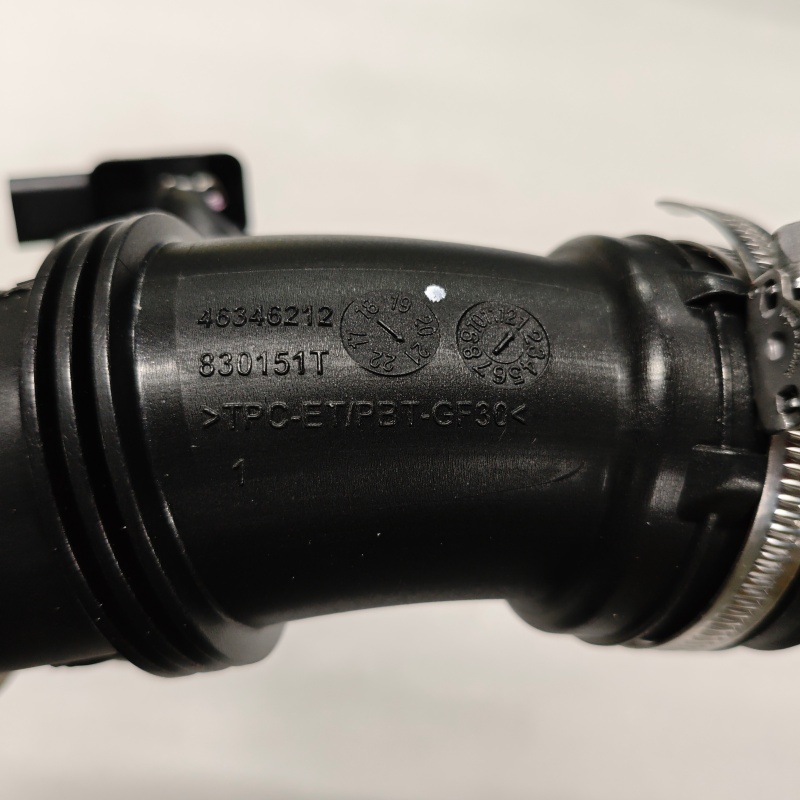
Conversely, the steam pipe, often part of the Evaporative Emission Control System (EVAP), manages fuel vapors rather than liquid fuel. It captures hydrocarbon vapors from the fuel tank, preventing them from escaping into the atmosphere, and routes them to the engine’s intake to be burned during combustion. This process is crucial for reducing emissions and improving air quality. Typically made from robust plastic or rubber formulations designed to withstand fuel vapors and temperature fluctuations, these pipes connect the fuel tank to the charcoal canister and intake manifold.
Together, these components represent a dual approach to fuel management: one for liquid delivery and one for vapor recovery. Proper maintenance and timely replacement of both the Fuel Supply Pipe And Steam Pipe are essential. Degradation, cracks, or disconnections can trigger check engine lights, cause failed emissions tests, reduce fuel economy, and compromise vehicle safety. When sourcing replacements, ensure they meet or exceed the original equipment specifications for material, diameter, and pressure ratings to guarantee optimal system function and longevity.