Condenser – Expansion Valve
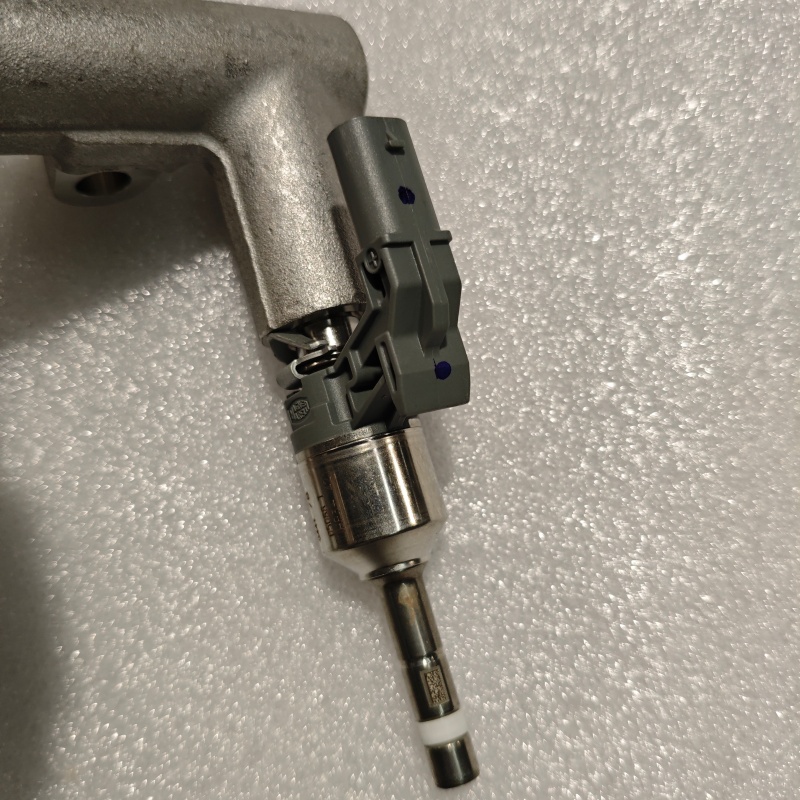
In a vehicle’s air conditioning system, the efficient transition of refrigerant from a high-pressure gas to a low-pressure liquid is critical for cooling performance. This precise thermodynamic process is centrally managed by the coordinated function of two key components: the condenser and the expansion valve. Understanding their partnership is essential for diagnosing A/C issues.
The condenser, located at the front of the vehicle, acts as a heat exchanger. It receives the high-pressure, high-temperature refrigerant gas compressed by the A/C compressor. As air flows through the condenser fins, the refrigerant releases its heat and condenses into a high-pressure liquid. This liquid refrigerant then travels to the receiver/drier or accumulator for filtration and moisture removal before reaching a critical juncture.
This is where the Condenser – Expansion Valve partnership completes its mission. The expansion valve, a precisely calibrated metering device, creates a deliberate restriction. It regulates the flow of that high-pressure liquid refrigerant into the evaporator core. As the refrigerant passes through this small orifice, its pressure and temperature drop dramatically, causing it to expand and vaporize into a cold, low-pressure mist inside the evaporator. The blower motor then forces air across this cold evaporator, delivering cool air into the cabin. The expansion valve continuously modulates this flow based on evaporator temperature and system demand, ensuring optimal cooling efficiency and protecting the compressor from liquid damage.
Therefore, the condenser and expansion valve work in a closed-loop sequence. A malfunction in either—such as a clogged condenser or a failed expansion valve—disrupts the entire refrigeration cycle, leading to poor cooling, increased pressure, and potential system failure. For optimal A/C performance, both components must be in proper working order.