In the intricate world of internal combustion engines, component size is often directly proportional to its functional importance. Camshaft Timing Wheels Are Large for several critical reasons fundamental to engine performance, reliability, and efficiency. Their substantial diameter is a deliberate engineering choice, not an arbitrary design feature.
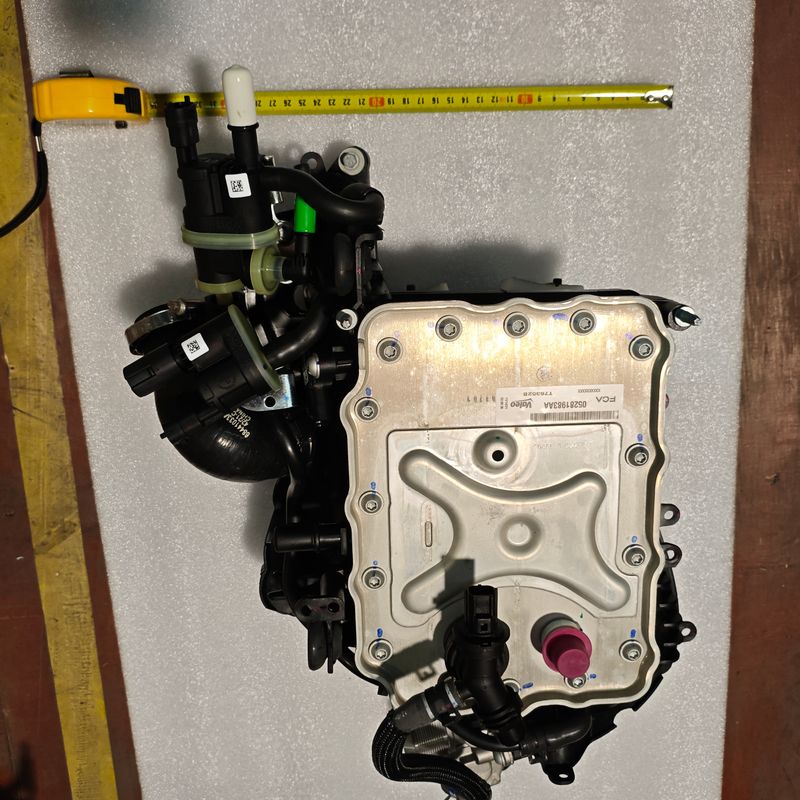
The primary function of a camshaft timing wheel is to synchronize the rotation of the camshaft with the engine’s crankshaft. This synchronization is absolutely vital, ensuring that the engine’s valves open and close with precise timing during each cylinder’s intake and exhaust strokes. The large circumference of the wheel allows for a greater number of precisely machined teeth to engage with the timing belt or chain. This increased tooth count provides superior rotational accuracy and reduces the risk of "cogging" or minute timing errors that can lead to reduced power, poor fuel economy, and increased emissions. A larger wheel offers a more stable, consistent mating surface for the drive belt or chain, minimizing slippage and wear over thousands of miles of operation.
Furthermore, the robust size contributes directly to durability. It allows for a stronger, more rigid construction that can withstand the constant torsional forces and high-temperature environment within the engine bay. This inherent strength helps maintain critical timing specifications over the long service life of the engine. For any performance or reliability-focused application, understanding that the substantial physical presence of a camshaft timing wheel is a key indicator of its role in preserving the engine’s precise mechanical heartbeat is essential. When selecting a replacement, opting for a high-quality, correctly sized wheel is non-negotiable for optimal engine function.