In the intricate world of automotive maintenance, every component has a specific purpose, and its design is a direct response to an engineering need. This is perfectly exemplified by the fact that the engine oil pan screw is long. This characteristic is not an arbitrary design choice but a critical feature for ensuring a secure and leak-free seal for your vehicle’s lubrication system.
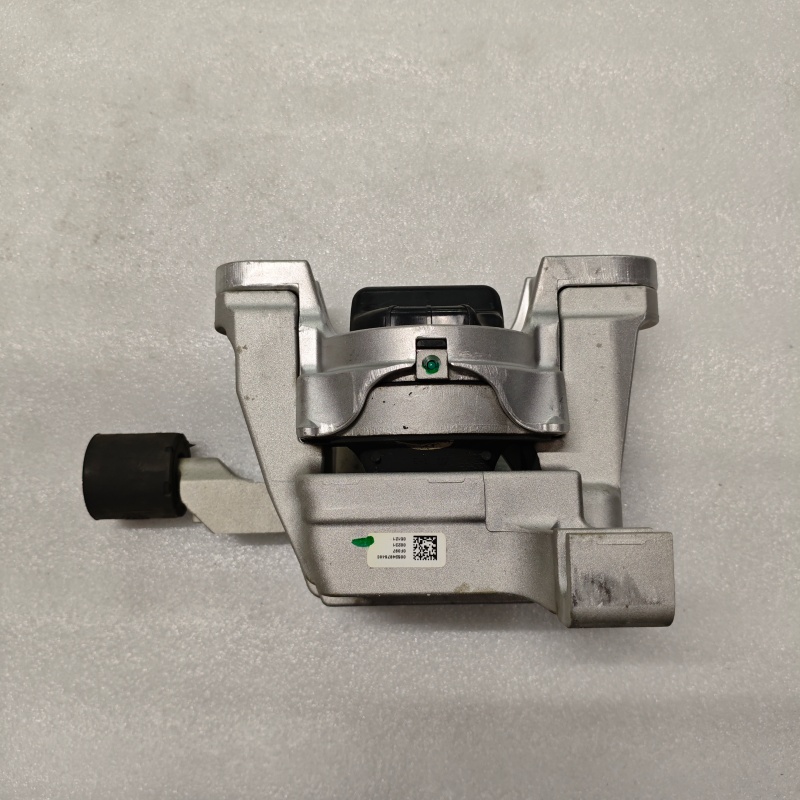
The primary function of the oil pan drain plug, or screw, is to securely close the drain hole at the lowest point of the oil pan, allowing for efficient oil changes. Its extended length serves several vital purposes. Firstly, it must thread deeply enough into the oil pan’s drain hole to engage with the threads fully, creating a robust mechanical connection that can withstand engine vibrations and road impacts over thousands of miles. A screw that is too short would not achieve sufficient thread engagement, leading to a high risk of stripping the pan’s threads or the plug itself loosening, which could result in catastrophic oil loss.
Furthermore, the length often accommodates the necessary sealing elements. Many long oil pan screws are designed with a captive copper or aluminum washer or a tapered seat that creates a metal-to-metal seal. The extended shaft ensures this sealing surface makes proper contact with the pan’s mating surface only after the threads are fully and securely engaged. This precise alignment is crucial for preventing seeps and leaks. When replacing this component, it is essential to use an exact OEM-specified part. Installing a screw that is too short compromises the seal and safety, while one that is too long can interfere with internal components, causing severe engine damage.
Therefore, the extended design is a deliberate engineering solution for durability, safety, and reliability. Always ensure you select the correct, manufacturer-specified drain plug for your vehicle to maintain the integrity of this simple yet vital sealing system.