Gear Shifting Mechanism
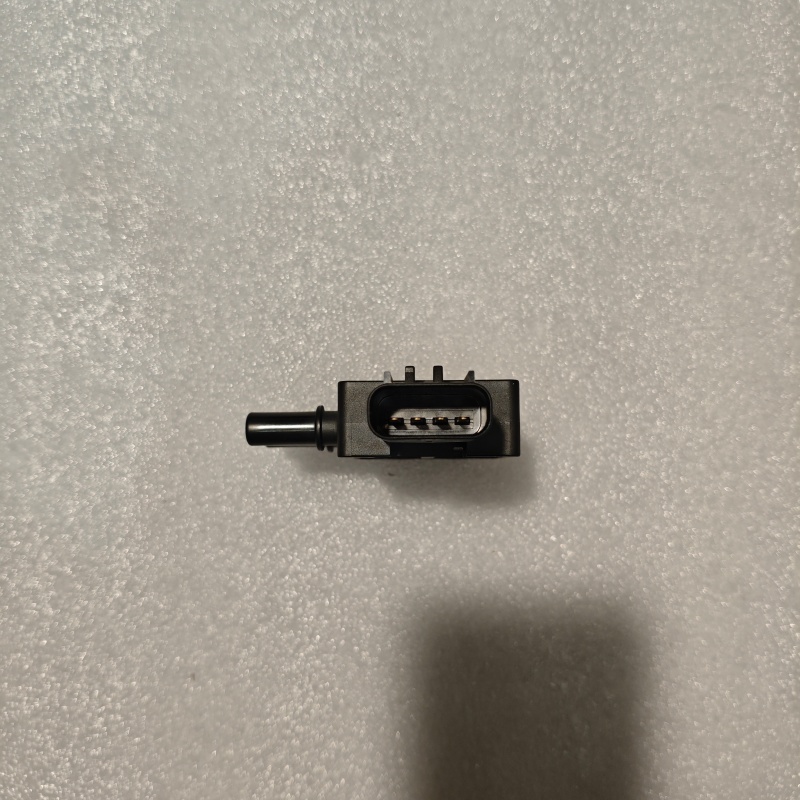
A vehicle’s performance, efficiency, and driving experience are fundamentally governed by the precision and reliability of its Gear Shifting Mechanism. This critical assembly serves as the direct interface between the driver’s intent and the vehicle’s powertrain, translating gear selection into seamless power transfer. In manual transmissions, the mechanism involves a physical linkage or cable system connecting the gear lever to the transmission, requiring robust components to ensure accurate and durable operation. For automatic transmissions, the mechanism is a sophisticated interplay of hydraulic, electronic, and mechanical components, including shift solenoids and valve bodies, which execute gear changes based on inputs from the vehicle’s computer.
The primary function of any Gear Shifting Mechanism is to enable the driver or the vehicle’s control system to select the appropriate gear ratio. This optimizes engine performance for varying driving conditions, such as accelerating from a stop, cruising at highway speeds, or climbing a steep incline. A well-engineered mechanism ensures crisp, positive engagement without hesitation, slippage, or grinding, thereby protecting the transmission’s internal gears and synchronizers from premature wear. In modern vehicles, advancements in this mechanism focus on enhancing shift speed, smoothness, and adaptability, often incorporating electronic shift-by-wire technology for greater design flexibility and integration with advanced driving modes.
Ultimately, the quality of this component directly impacts drivability and longevity. A precise, responsive mechanism provides confident control and contributes to overall vehicle safety and fuel economy. For any automotive enthusiast or technician, understanding the importance of a high-caliber Gear Shifting Mechanism is key to maintaining peak performance and ensuring a satisfying connection between the driver and the machine.