The Rear Axle Ventilation Pipe is a critical yet often overlooked component in a vehicle’s drivetrain system. Its primary function is to maintain equalized air pressure within the rear axle or differential housing. During operation, the differential gears and lubricating oil generate significant heat. This heat causes the air inside the enclosed axle assembly to expand, creating positive pressure. Conversely, when the vehicle cools down, the air contracts, creating negative pressure or a vacuum.
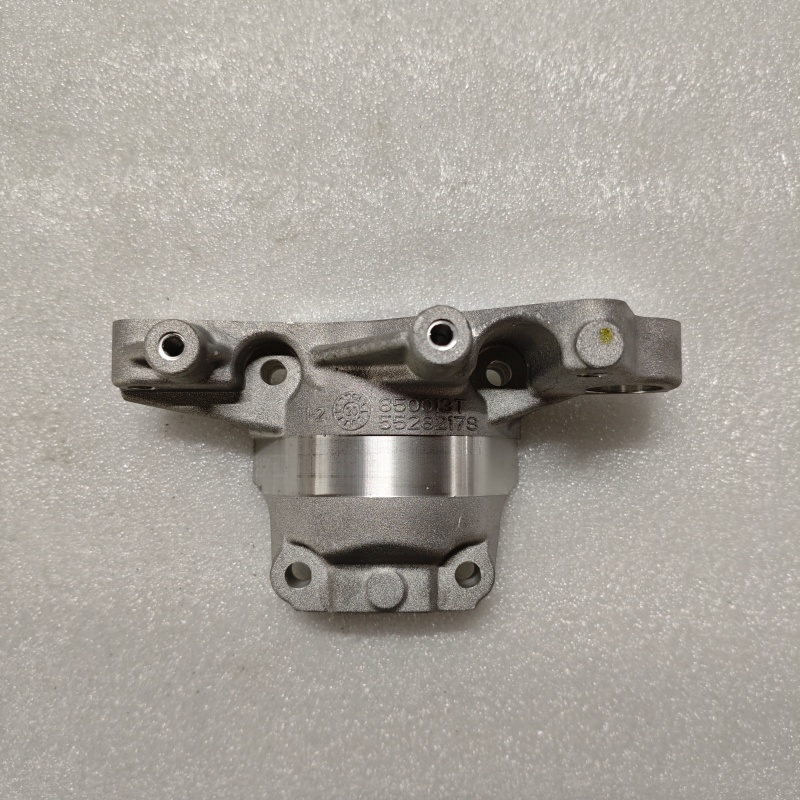
Without a proper ventilation system, this pressure imbalance can lead to serious issues. Positive pressure may force differential fluid past axle seals, resulting in lubricant leaks onto brakes or the ground. More critically, a vacuum formed during cooling can draw in contaminants like water, dust, and road debris through the very seals meant to keep them out. This contamination degrades the differential oil, accelerates wear on precision gears and bearings, and ultimately leads to premature and costly failure of the entire rear axle assembly.
The Rear Axle Ventilation Pipe acts as a simple, one-way breathable vent. Typically consisting of a small hose or pipe connected to the highest point of the differential housing, it allows expanding hot air to escape safely and permits clean air to be drawn in during cooldown, preventing a vacuum. It often incorporates a breather valve or cap designed to allow air passage while blocking the ingress of water and dirt, especially during off-road driving or deep-water fording.
Regular inspection of this component is essential for long-term drivetrain health. A clogged or damaged ventilation pipe can no longer regulate pressure, making seal failure inevitable. Ensuring the Rear Axle Ventilation Pipe is clean, unobstructed, and properly routed is a simple maintenance task that protects a vital and expensive part of your vehicle, ensuring smooth power transfer and extending the service life of your rear axle system.